A Greek Temple on American Soil
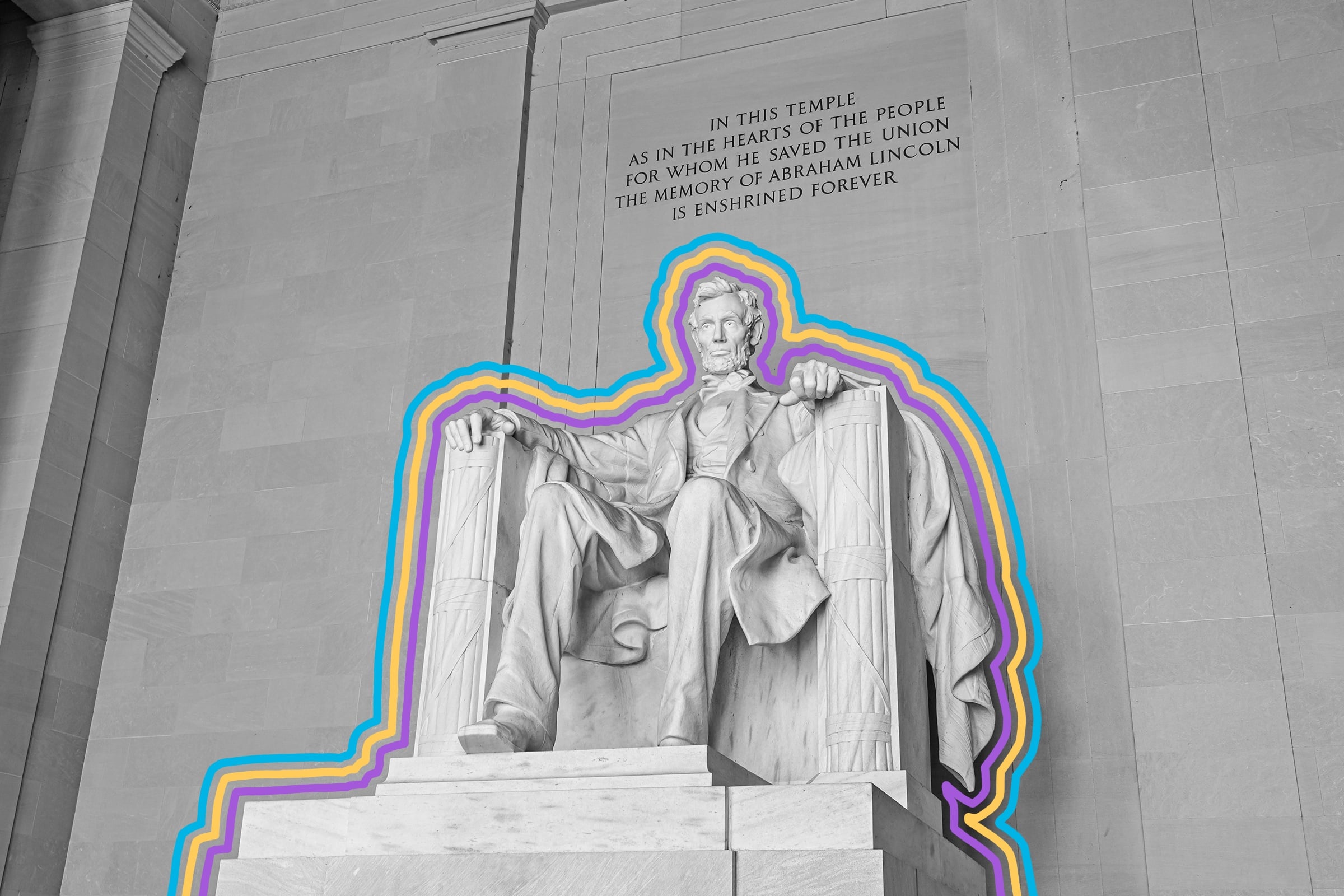
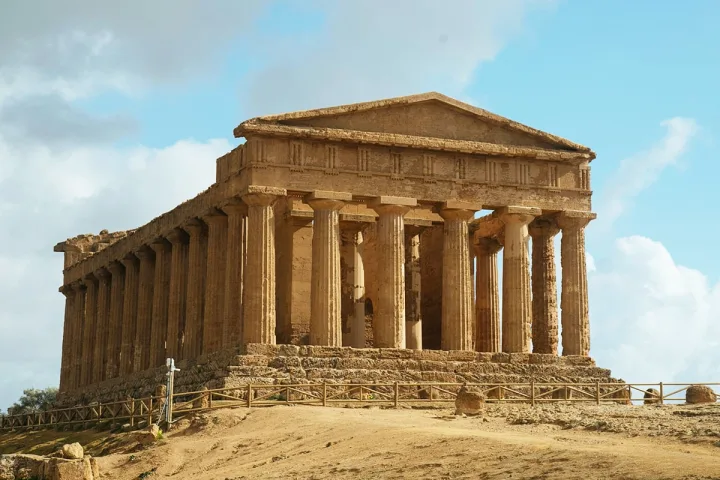
The Lincoln Memorial doesn’t look like anything else built in America in the early 1900s — and Henry Bacon designed it that way on purpose. The New York architect modeled the memorial, completed in 1922, on the Parthenon in Athens. Not for the drama of it. Bacon believed the building should reflect the man inside. Lincoln spent his life defending democracy. Bacon decided the architecture of democracy’s birthplace should honor him.
The result stands 190 feet long, 120 feet wide, and 99 feet tall. Bacon sourced his materials with equal deliberateness: Colorado marble for the exterior and upper stairs, Massachusetts granite for the terraces, Tennessee pink marble for the chamber floor. Three states, one monument.
The Engraver’s Ghost in the Stone
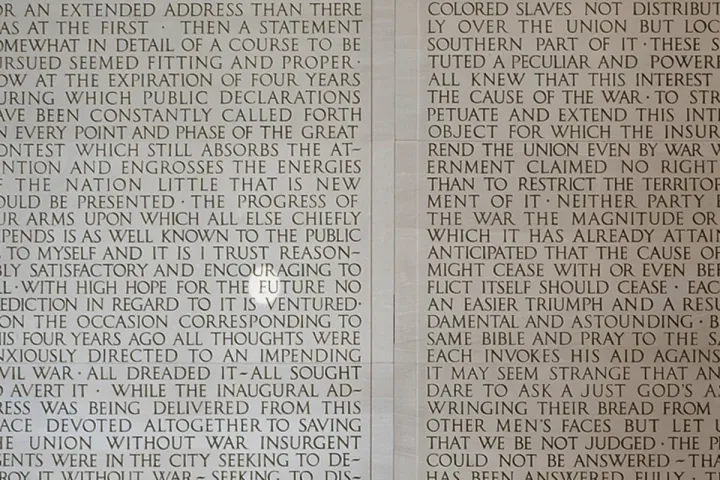
Lincoln’s Second Inaugural Address from 1865 is carved into the limestone of the north interior wall. Read it slowly and you’ll find a mistake that’s been there for a century. When engraver Ernest C. Bairstow — who executed the rest of the lettering and ornamental detail without a single slip — reached the word “FUTURE,” he grabbed an “E” stencil instead of an “F.” The wall read “EUTURE.”
The National Park Service quietly corrected it, filling in the bottom stroke of the “E” to convert it back to an “F.” The fix worked. The ghost didn’t fully disappear. At the right angle, in the right light, the shadow of that extra line is still visible — a hundred-year-old error preserved in stone.