The City That Seemed Untouchable
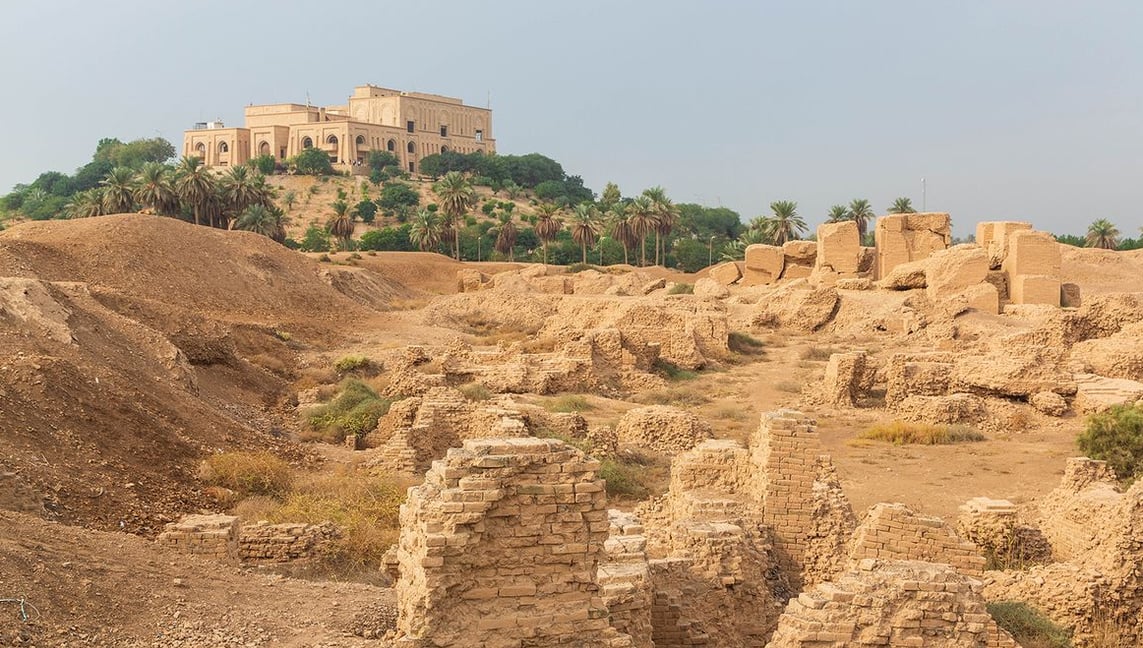
At its height, Babylon was the largest city on earth. Sitting along the Euphrates River in what is now modern Iraq, it boasted towering ziggurats, monumental city walls wide enough for chariots to pass on top, and the legendary Hanging Gardens — one of the Seven Wonders of the ancient world. Its wealth was staggering, its religious institutions deeply embedded in civic life, and its military reputation formidable. For centuries, Babylon stood as the defining symbol of power in the ancient Near East. Yet in 539 B.C.E., it fell in a single night. Understanding why requires looking not just at the armies that marched against it, but at what was happening inside the city long before Persian soldiers ever arrived at its gates.
Nebuchadnezzar Built an Empire That Demanded Loyalty
The Neo-Babylonian Empire reached its peak under King Nebuchadnezzar II, who reigned from 605 to 562 B.C.E. He was a military genius and a prolific builder who transformed Babylon into a showcase of civilization. His campaigns stretched across Mesopotamia and into the Levant — he conquered Jerusalem, destroyed the First Temple, and deported much of the Jewish population to Babylon in what became known as the Babylonian captivity. At home, he poured resources into temples, palaces, and public works. Crucially, he maintained the favor of Marduk’s priesthood, the religious establishment that held enormous influence over the Babylonian population. His rule was not without brutality, but it was stable. The empire he handed down, however, would not stay that way for long.