Nobody Knows Why It Falls on April 1
For a holiday built on deception, it’s fitting that its own origins are a genuine mystery. Historians have floated theories for centuries. None of them fully stick.
The most repeated story traces it to Hilaria, an ancient Roman festival of games, parties, and pranks that fell on March 25 — what Romans called “eight days before the Calends of April.” The timing is suggestive, but scholars can’t confirm the link, and even if Hilaria did inspire the holiday, no one explains why the date later shifted a week forward.
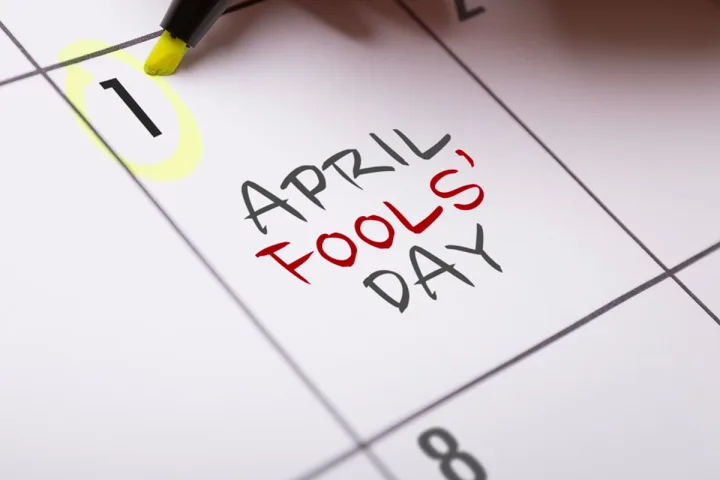
The other leading theory points to 1582, when the Catholic Church replaced the Julian calendar with the Gregorian one, pushing New Year’s Day from late March to January 1. Protestant nations like England kept celebrating near March 25 until as late as 1752. According to this theory, people who clung to the old date were mocked as fools, and the mockery gradually calcified into a holiday. Plausible. Tidy. Also unconfirmed.
France Has a Fish Problem
In France, April Fools’ Day is called poisson d’avril — “April fish.” The phrase was already slang for a gullible person by 1691. The logic: young fish are born in spring and easy to catch, just like an easy mark.
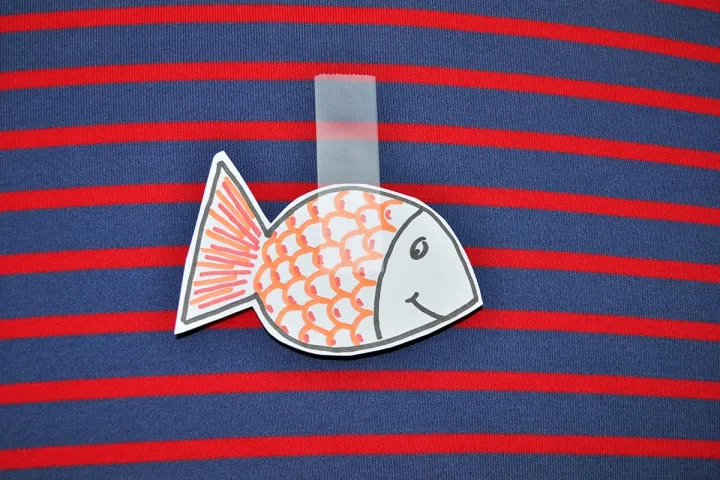
French children celebrate by cutting out paper fish and taping them to unsuspecting people’s backs. When the target notices, the prankster shouts “Poisson d’avril!” The tradition spread across French-speaking Belgium, Quebec, and Switzerland, and parts of Italy picked it up under the name pesce d’Aprile. A whole continent bonded over secretly fish-tagging each other.