The Berry Lie You’ve Been Living
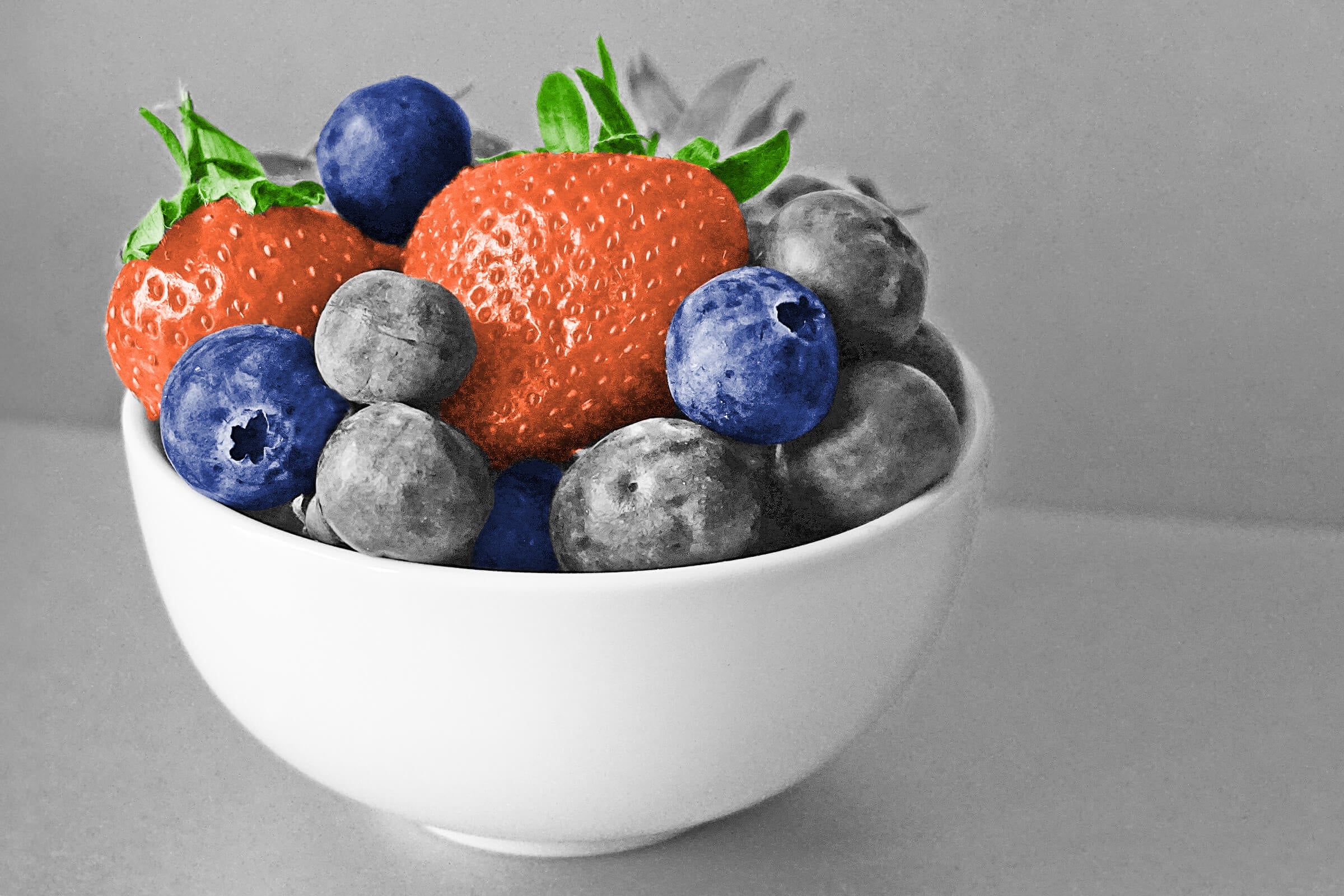
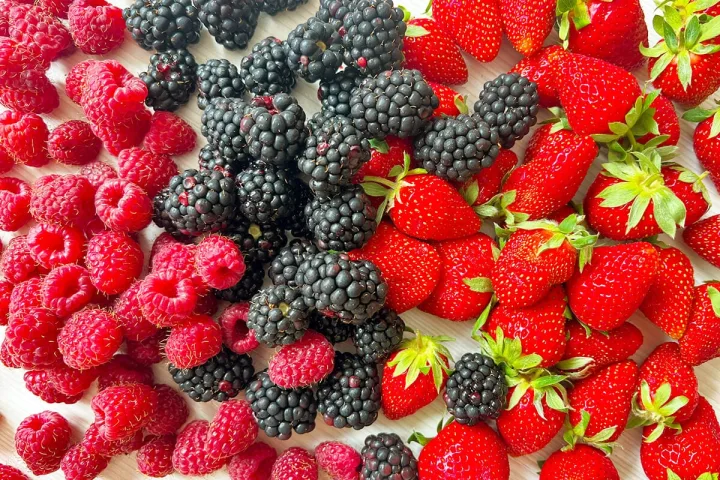
Reach into a bowl of raspberries, pop one in your mouth, and congratulate yourself — you’re eating something that isn’t technically a berry. Neither is the strawberry you dipped in chocolate last Valentine’s Day, nor the blackberry in your jam. Botanically speaking, none of these count.
The scientific definition is strict. A true berry grows from a single flower with one ovary. That rules out raspberries, strawberries, and blackberries entirely. They’re aggregate fruits: after pollination, each tiny ovary forms its own drupelet, and those drupelets bundle together into the bumpy clusters we recognize. Those gorgeous red raspberries? A congregation of miniature fruits, not one.
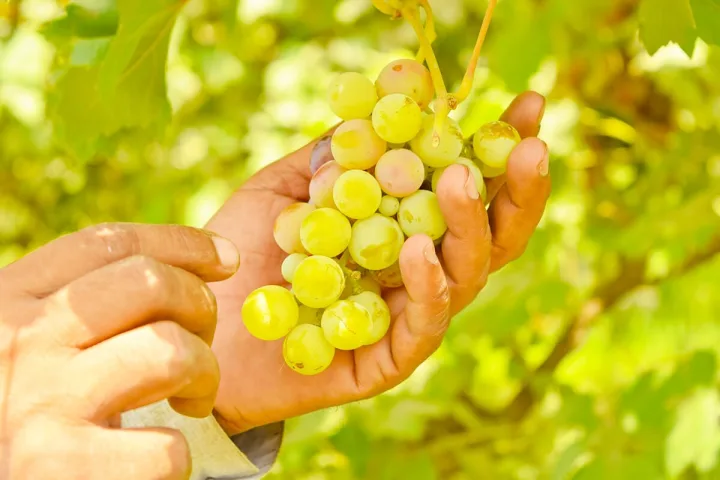
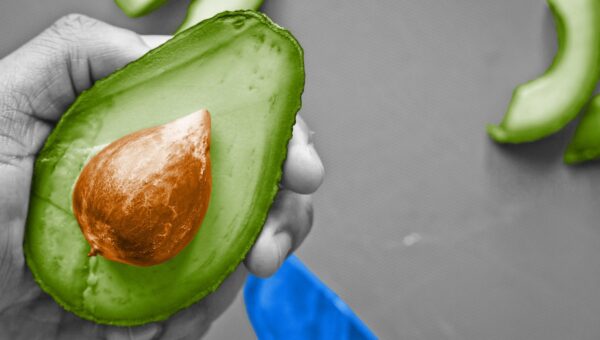
What does qualify? Grapes. Bananas. Avocados. Tomatoes. Cucumbers. Eggplants. Botanists are quietly fine with all of them. Blueberries and cranberries make the cut too, if you’re desperate for vindication.
Blame Old English For the Confusion
The word “berry” traces back to the Old English “berie,” which meant one specific thing: grape. As in the fruit that makes wine. The logic tracks — grapes are small, juicy, sweet, fleshy. As English spread through colonized territories, explorers encountered new small sweet fruits and just kept applying the same word. Nobody stopped to check.
Scientific taxonomy eventually drew cleaner lines. But strawberries had been called strawberries for centuries by then. Language doesn’t reverse that easily. The folk name survived, the scientific definition got ignored, and here we are eating “berries” that aren’t berries.