The Maître D’ Who Improvised a Legend
Nachos didn’t come from a test kitchen or a corporate food lab. They came from a man who refused to let a group of hungry strangers go home empty-handed.
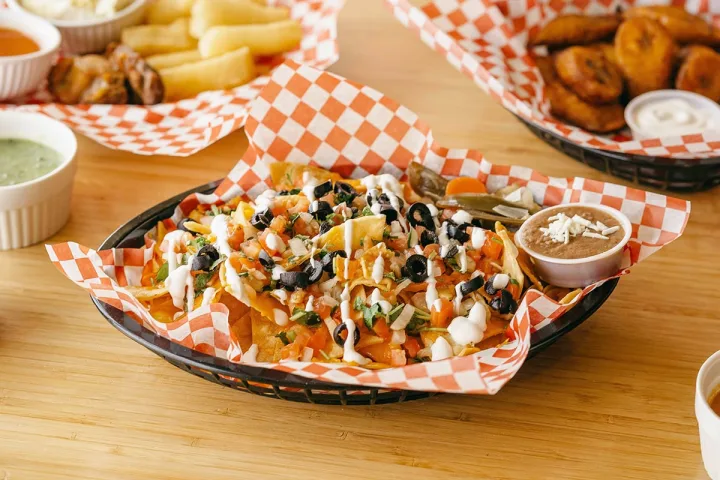
Ignacio Anaya was the maître d’ at the Victory Club in Piedras Negras, a Mexican border town. His regulars called him Nacho—a common nickname for Ignacio in Spanish. One evening in the early 1940s, a group of diners showed up after closing time. The cooks were gone. Anaya scrounged through the kitchen and built something from what he found: fried tortilla chips, melted colby cheese, jalapeño peppers. He called the plate “Nacho’s especiales.” The customers loved it.
The Victory Club added it to the menu. The name got shortened. Nacho’s especiales became nachos—a word now known from stadium concession stands to late-night fast food runs, all tracing back to one man’s refusal to say sorry, we’re closed.
A Grandmother With a Green Thumb
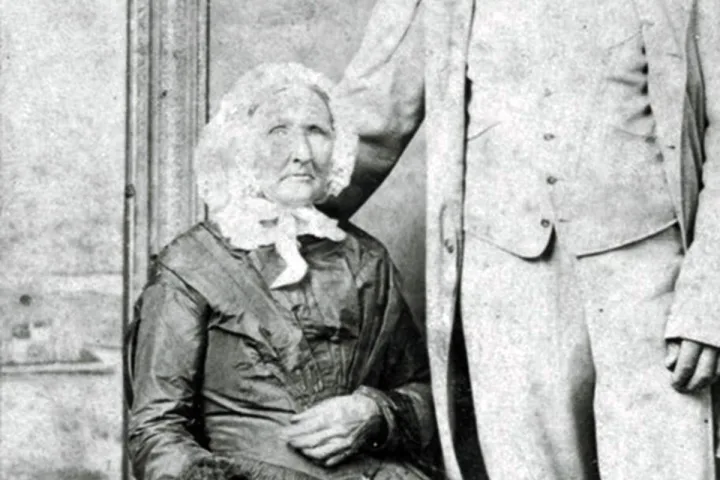
Maria Ann Smith wasn’t a botanist. She was an Australian woman who farmed 24 acres with her husband Thomas in the mid-1850s and stumbled onto something that would outlast her by well over a century.
The apple that bore her name first appeared on her land in 1868. The prevailing theory is that it mutated from the scattered remnants of old French crab apples near the property. Smith died just two years after that first crop. She never saw the cultivar go global. Local orchardists kept growing the tart green apples, and by 1895 they were being exported under the name “Granny Smith’s Seedling”—the nickname her grandchildren had given her, now attached to one of the world’s most recognizable fruit varieties.