The Pope Sent a Stone. Someone Stole It.
During construction, donors from around the world shipped commemorative stones to be embedded in the monument’s interior walls. All told, 193 made it in — one carved from Alaskan jade, another built from fragments of the Parthenon. Pope Pius IX contributed one inscribed “A Roma Americae” (From Rome to America), cut from stone quarried at the ancient Temple of Peace in Rome.
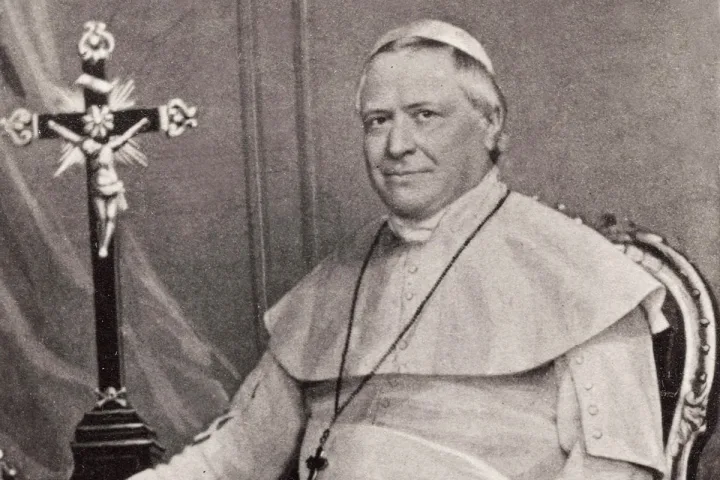
This gift of a despot, if placed within those walls, can never be looked upon by true Americans but with feelings of mortification and disgust.
That was the Know Nothing Party talking — a nativist, anti-Catholic political movement that circulated pamphlets to turn public opinion against the donation. The rhetoric emboldened action. In 1854, nine anonymous Know Nothing members broke in, stole the pope’s stone, destroyed it beyond repair, and threw the pieces into the Potomac River.
The stone sat missing for 128 years. In 1982, Pope John Paul II sent a replacement. It’s now installed in the interior walls where the original was always meant to go.
The Tiny Aluminum Crown at the Top
The original design called for a flat stone cap. Engineers reconsidered when they realized the monument needed a lightning rod — flat marble offered no protection from repeated strikes. They needed a pointed metal tip.
Engineer Thomas Lincoln Casey consulted Philadelphia metallurgist William Frishmuth, who proposed aluminum. At the time aluminum was precious, more expensive per ounce than silver. Frishmuth cast an 8.9-inch, 100-ounce pyramid — the largest piece of aluminum ever produced to that point. Before shipping it to Washington, he displayed it in the window at Tiffany’s in New York City.
The cap went up December 6, 1884, completing the monument. It didn’t hold up as hoped. Lightning shaved three-eighths of an inch off the tip within six months. In 1941, it nearly got melted down in a wartime aluminum scrap drive. It survived. It’s still up there.
The Color Break You Can’t Unsee
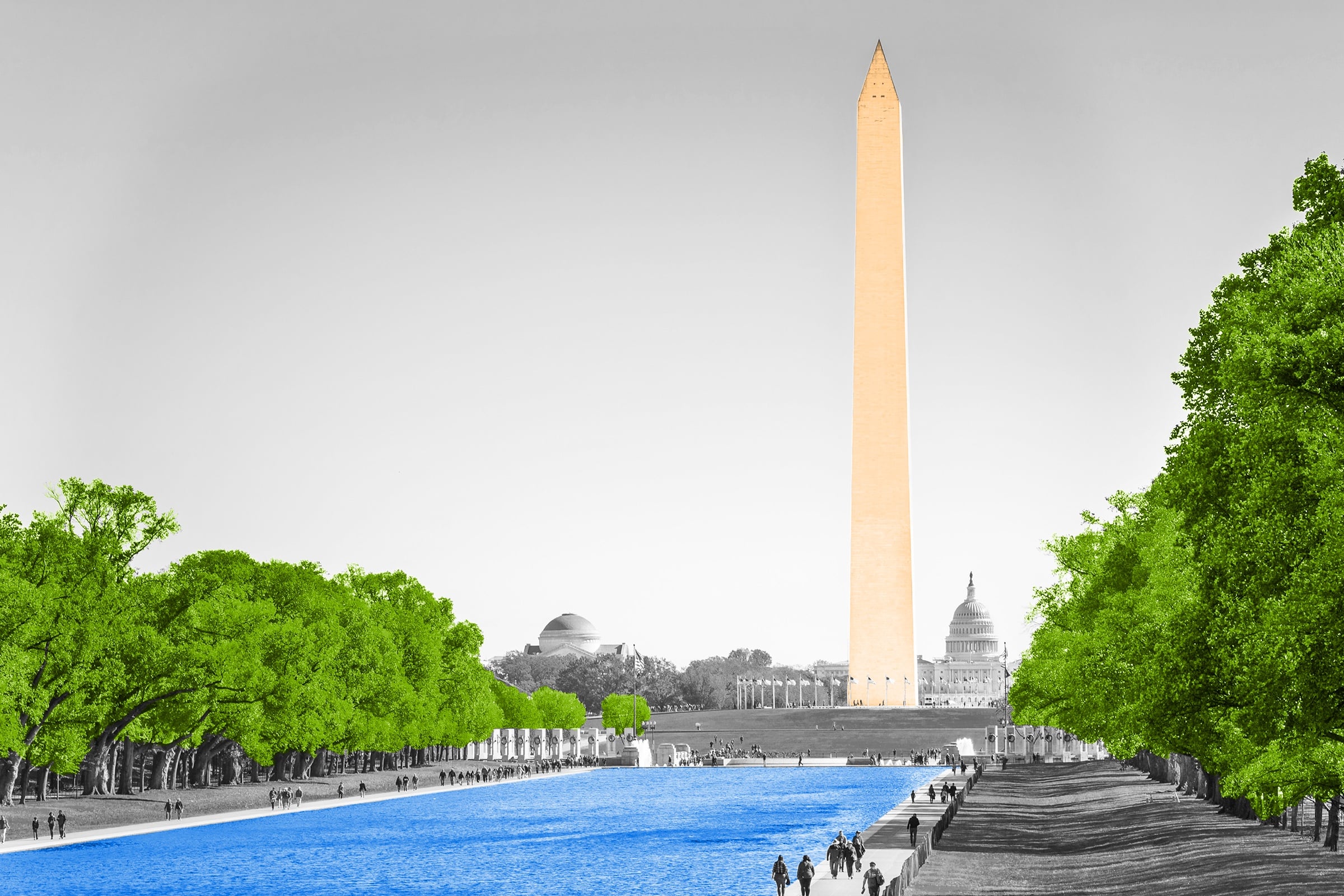
Stand back from the Washington Monument and look carefully. About a third of the way up, the stone changes shade. A horizontal ring marks where old stone meets new. Most visitors walk right past it.
That break is the visible scar of a 22-year construction gap. The first phase ran from 1848 to 1854, when private donations dried up and work stopped at 152 feet. Congress restarted construction in 1876, but by then the original Baltimore quarry had closed. Workers sourced new marble from a different Maryland quarry and added granite from New England.
When the monument was completed in 1884, it looked uniform. Then the two stone types began aging separately — weathering at different rates, absorbing rain differently, oxidizing on their own timeline. Over 140 years, that difference became undeniable. The lower third runs whiter; the upper two-thirds tip toward yellow. The monument’s construction history written straight into its walls.