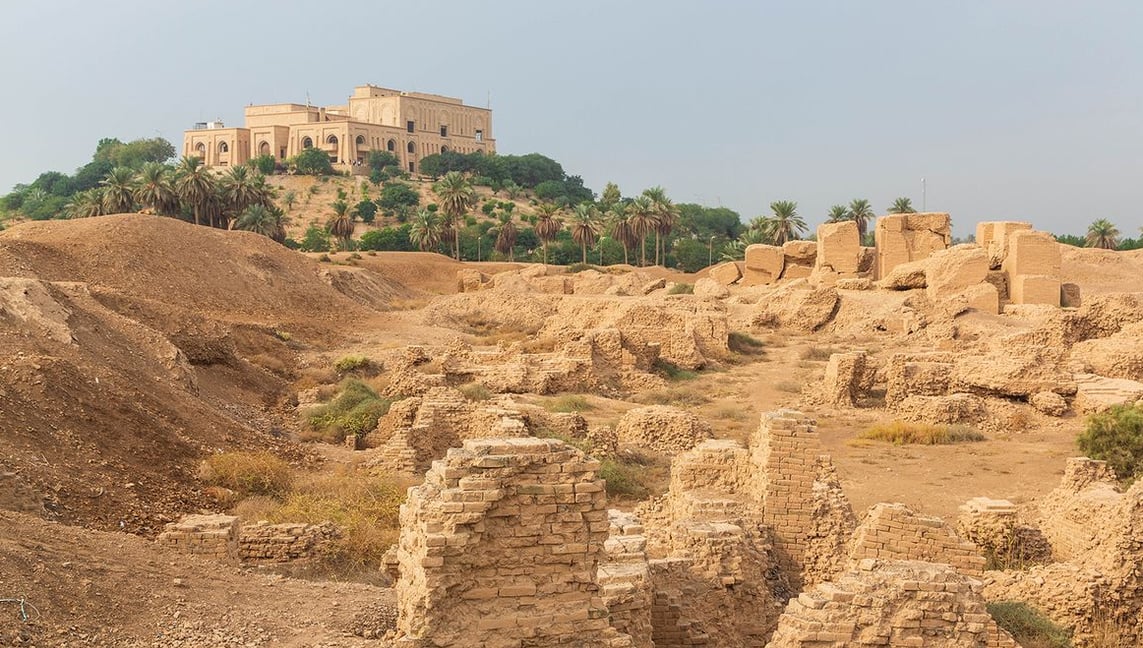
The Pattern Babylon Fits
Babylon’s trajectory follows a pattern recognizable across ancient and modern history. An empire rises through military strength and administrative competence. It accumulates wealth that funds culture and monumental construction. Leadership transitions introduce instability. A ruler emerges who prioritizes personal or ideological goals over the broad coalition of interests that holds the state together. Discontent spreads among groups — in this case, priests, merchants, and ordinary citizens — whose cooperation the regime had previously taken for granted. A rival power, sensing the vulnerability, enters not just militarily but politically, offering an alternative that disaffected insiders find more appealing than continued resistance. The empire does not collapse from the outside alone; it becomes too divided internally to mount an effective defense. What made Babylon memorable is the speed and completeness of the ending — and how avoidable it looked in retrospect.
Why This Story Still Gets Studied
Historians, archaeologists, and theologians continue to return to Babylon’s fall because it compresses so many dynamics into a legible historical episode. The available sources — the Nabonidus Chronicle, the Cyrus Cylinder, Herodotus, the Hebrew Bible — offer multiple perspectives on the same events, allowing scholars to triangulate what actually happened and why accounts differ. The role of religion in political legitimacy, the consequences of neglecting institutional relationships, the military value of propaganda alongside force: these are themes that appear across civilizations and eras. Babylon’s fall is not just an ancient curiosity. It is a well-documented case study in how states that appear permanent can unravel with surprising speed when the internal foundations that held them together are quietly eroded over years before any external threat arrives.