What the Cyrus Cylinder Actually Says
Among the most significant pieces of archaeological evidence from this period is the Cyrus Cylinder, a clay barrel inscription discovered in Babylon in 1879 and now housed at the British Museum. Written in Babylonian cuneiform, it records Cyrus’s conquest and his subsequent policies. The cylinder describes Marduk choosing Cyrus to restore proper worship and portrays the Persian king as a liberator rather than a conqueror. It documents his orders to allow deported peoples — including the Jewish exiles — to return to their homelands and rebuild their temples. Scholars debate how much of this is propaganda versus policy, but the cylinder’s existence confirms that Cyrus made a deliberate effort to present himself as a legitimate successor to Babylonian traditions rather than their destroyer. That choice shaped how the transition of power unfolded on the ground.
Babylon Did Not Disappear After the Conquest
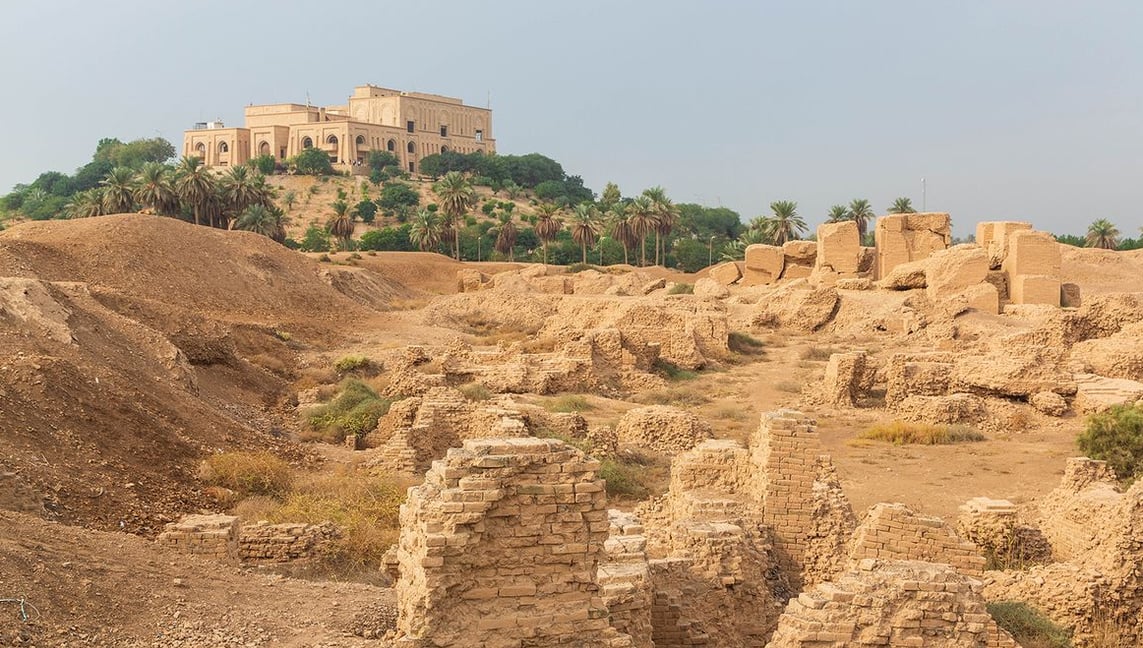
One of the most commonly misunderstood aspects of Babylon’s story is what happened after it fell. The city was not sacked or burned. Under Persian rule, Babylon became a regional administrative capital and remained economically significant. Its temples continued to operate. Persian kings, including Cyrus and his successors, participated in Babylonian religious ceremonies and adopted some of the trappings of Babylonian kingship to maintain legitimacy in the region. The Jewish exiles who had been brought to Babylon under Nebuchadnezzar were permitted to return to Jerusalem — an event documented both in the Hebrew Bible and corroborated by the Cyrus Cylinder. Babylon’s fall was the end of an independent political entity, but the city itself continued as a functioning urban center for centuries, only gradually declining as Alexander the Great’s ambitions and later neglect took their toll.
The Biblical Record and Historical Evidence Align More Than Expected
The fall of Babylon occupies significant space in the Hebrew Bible. The prophet Isaiah, writing generations earlier, predicted Babylon’s downfall. The book of Daniel records the writing on the wall episode — the mysterious Aramaic inscription interpreted as a divine sentence against Belshazzar’s kingdom. The book of Revelation later used Babylon as a symbolic archetype for corrupt imperial power, its sudden fall described in vivid terms. What makes the biblical account interesting to historians is how closely some of its details correspond to what secular records confirm: the feast during the city’s last night, the role of Belshazzar, the rapid collapse of resistance. The correspondence is not perfect across all sources, but the broad outlines of political failure, religious tension, and swift conquest appear consistently across texts from very different traditions.