The Pest That Ruins Squash Gardens Every Summer
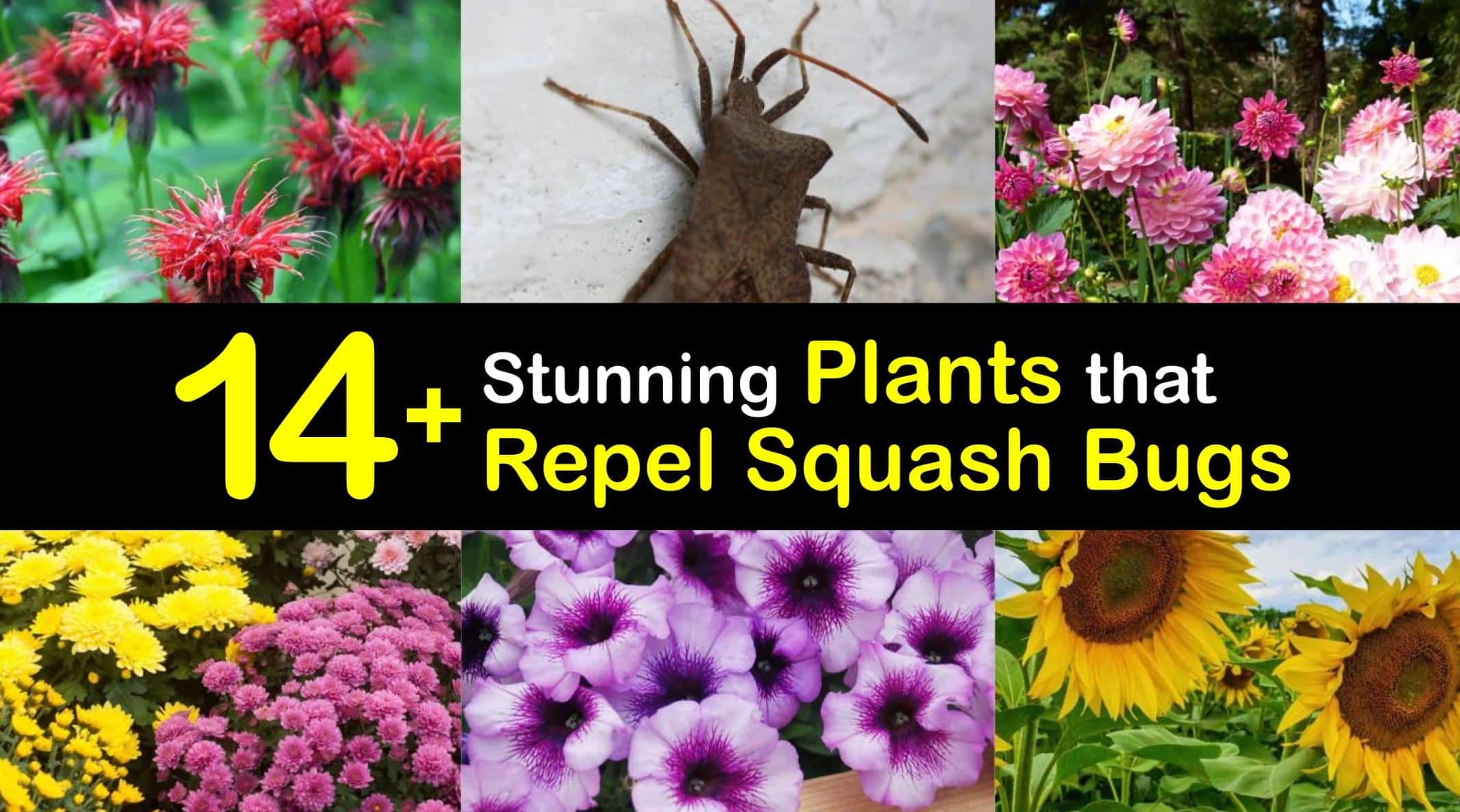
Squash bugs (Anasa tristis) are flat, large insects with dark gray or brown bodies and distinctive orange-and-brown striped abdomens. They look remarkably similar to stink bugs, and they cause comparable damage. The female lays clusters of tiny, yellowish-bronze eggs directly on the undersides of squash leaves and along stems. Once those eggs hatch, the nymphs begin feeding immediately. The adults and nymphs both pierce plant tissue and suck out sap, leaving behind yellow spots that disrupt the plant’s water and nutrient flow. Young seedlings rarely survive a heavy infestation. Established plants can tolerate some damage, but a large population will wilt and kill even mature squash vines. Early summer varieties like crookneck and butternut squash are particularly attractive to these pests, making early-season protection especially important.
Why Insecticidal Soap Is Not the Whole Answer
Insecticidal soap is effective at killing squash bugs on contact, and it is one of the more commonly recommended treatments for a garden infestation. The problem is that it does not discriminate. Beneficial insects — pollinators, predatory wasps, and other bugs that naturally keep pest populations in check — are just as vulnerable to the soap as the squash bugs themselves. Eliminating the good insects alongside the bad creates a long-term imbalance in the garden. That is where companion planting offers a more sustainable path. Rather than applying a treatment after bugs have already arrived, companion planting works as a preventive strategy. Certain plants either produce scents that squash bugs cannot tolerate, or they attract the natural predators that feed on squash bugs before populations get out of control.