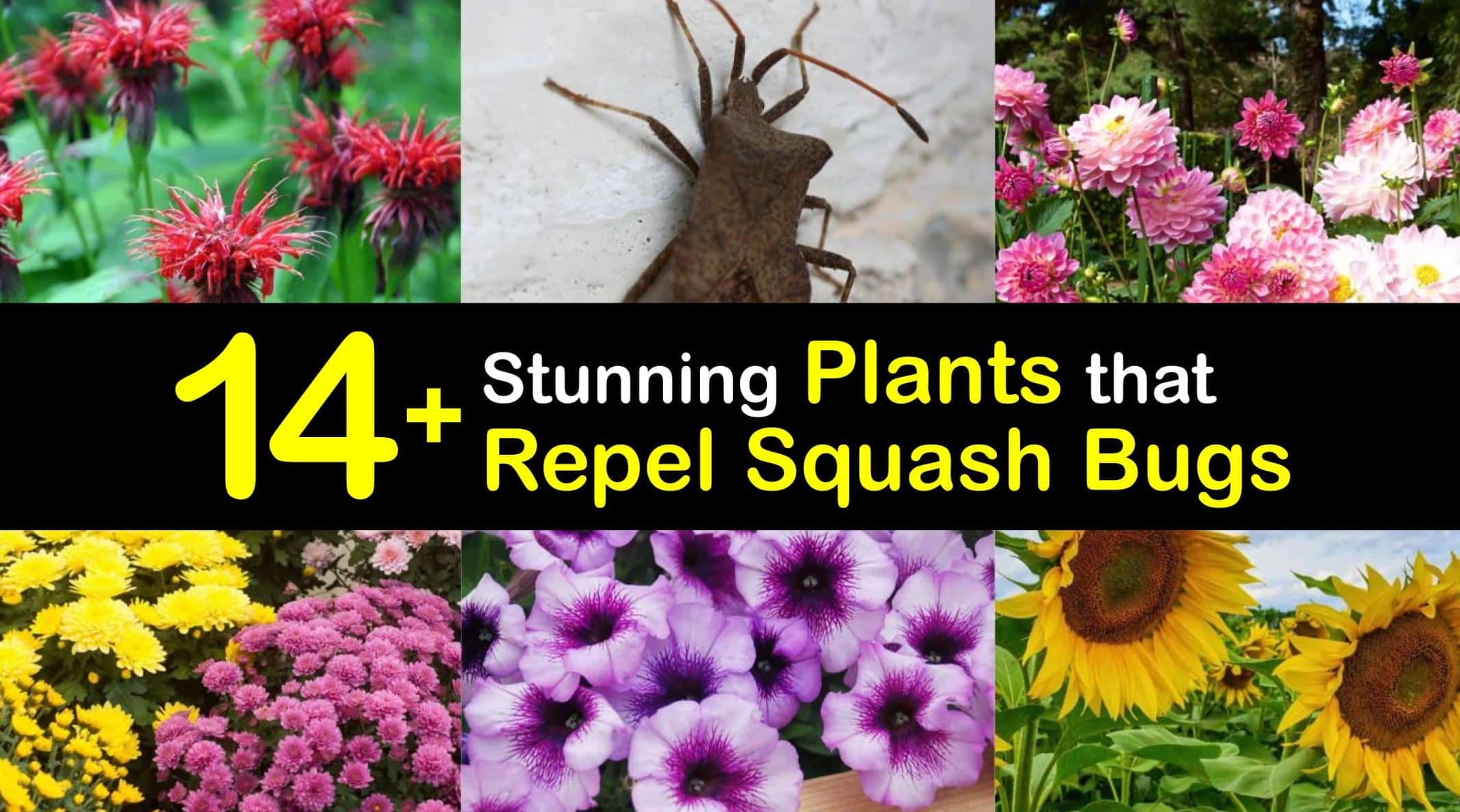
How Companion Planting Works as a Defense System
Companion planting is the practice of growing different species near each other so that one plant benefits another. In the context of pest control, it works through two main mechanisms. First, some plants emit volatile compounds or strong scents that physically repel certain insects — squash bugs included. Second, some plants draw in beneficial insects like parasitic wasps and predatory beetles that prey on garden pests, effectively building a biological defense network around your squash patch. A few plants also function as trap crops, luring squash bugs away from the vegetables you care about most. The best companion planting setups use a combination of these strategies, mixing scented herbs, flowering perennials, and fast-growing annuals to cover multiple angles of protection throughout the growing season.
Marigolds Are the Garden’s Most Reliable Pest Barrier
Marigolds may be the single most versatile pest-repellent plant available to home gardeners. They deter squash bugs, whiteflies, nematodes, rabbits, and deer — all from the same border planting. Their vibrant red, orange, and yellow flowers bloom non-stop from early summer through the first frost, and they grow anywhere from 4 to 48 inches tall depending on variety. Marigolds are annuals that thrive in full sun and prefer evenly moist, well-drained soil, but they are famously tolerant of less-than-ideal conditions. Plant them as a border around squash beds, or tuck individual plants between squash hills. Their pest-repelling effect is most pronounced when planted densely enough to create a consistent scent barrier. Few plants offer this level of protection with this little maintenance.
Lavender Does Double Duty in the Garden
Lavender is best known for its calming fragrance and culinary uses, but it earns its keep in the vegetable garden as a pest deterrent. The same aromatic oils that humans find pleasant are actively repellent to squash bugs, moths, and fleas. Lavender also attracts bees and other pollinators, which benefits the squash plants directly since squash flowers require pollination to set fruit. As a perennial in hardiness zones 5 through 9, lavender forms a compact shrub that reaches two to three feet tall and two to four feet wide. It performs best in full sun with dry, well-draining soil — the same conditions that make it thrive in Mediterranean climates. It does require some attention to soil drainage; wet roots are its primary weakness. Plant it on the sunny edges of squash beds where drainage is good.