Petunias and Nasturtiums Protect From the Ground Up
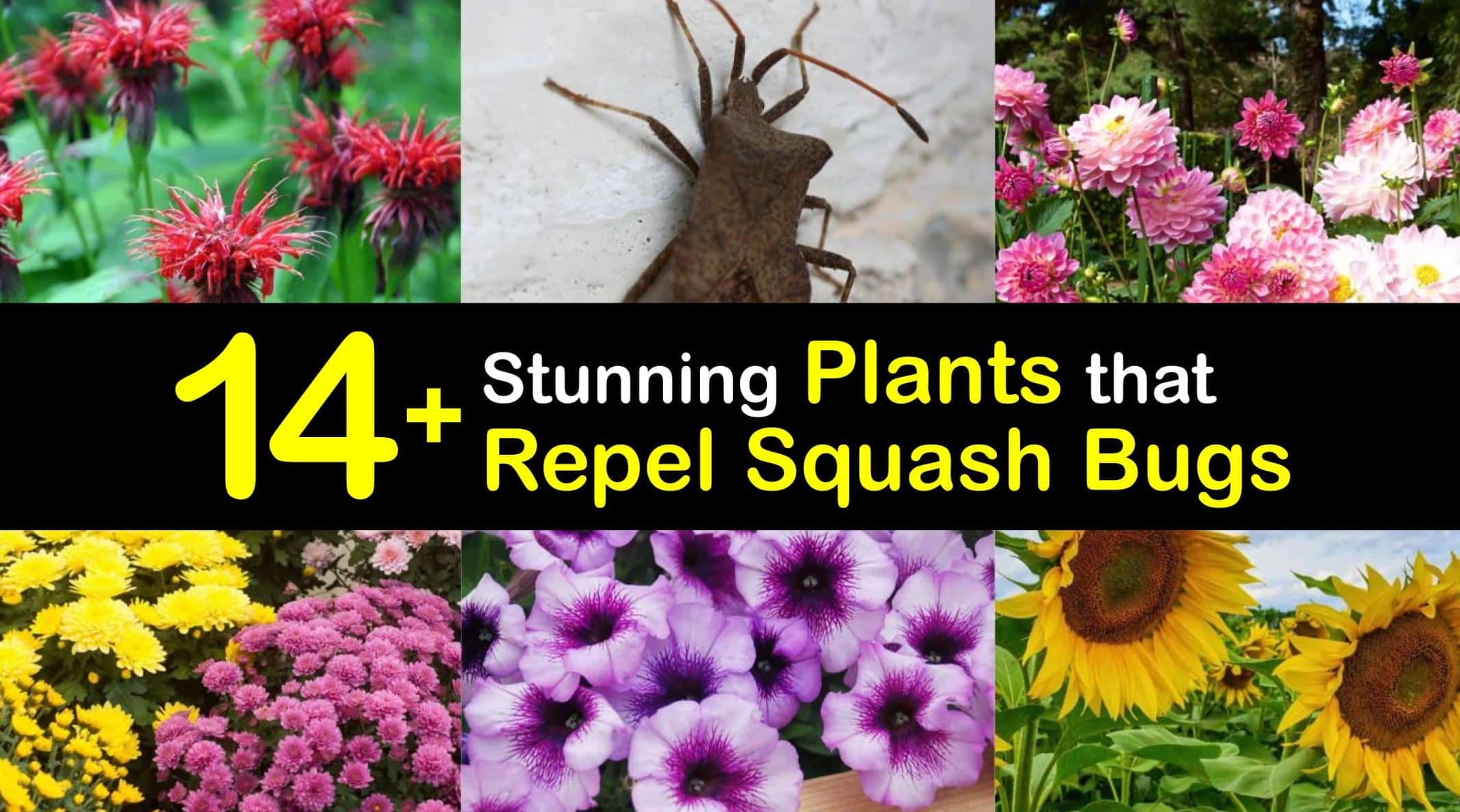
Petunias produce a mild but effective chemical deterrent against squash bugs, tomato hornworms, leafhoppers, and asparagus beetles. They bloom in nearly every color — pink, purple, yellow, red, orange, green, and white — and work beautifully as a low border around vegetable beds. They reach 6 to 24 inches tall and spread up to 3 feet in full sun with mildly acidic soil. Nasturtiums offer a different kind of protection. Planted near squash, cucumbers, or tomatoes, they repel squash beetles, whiteflies, woolly aphids, and cucumber beetles. They can also function as a trap crop, pulling certain pests away from the vegetables you want to protect. These easy-growing annuals produce bright blossoms in red, orange, pink, and yellow from May through September and tolerate a wide range of soil types, making them accessible to gardeners in nearly any region.
Aromatic Herbs That Squash Bugs Cannot Stand
Several common culinary herbs are highly effective squash bug deterrents, which makes them practical additions to any kitchen garden. Basil contains essential oils that repel squash bugs, mosquitoes, flies, thrips, and squash vine borers. It grows 18 to 24 inches tall, prefers full sun and moderately rich soil, and is annual in most climates. Chives bring a mild oniony scent that deters Japanese beetles, carrot flies, and adult squash bugs. They are cold-tolerant perennials in zones 3 through 9, reaching up to 15 inches tall in full sun to light shade. Catnip is perhaps the most powerful of the group. Despite being a feline favorite, catnip repels squash bugs, Japanese beetles, weevils, ants, aphids, and flea beetles. It grows 2 to 3 feet tall and wide in full sun, is hardy in zones 3 through 7, and produces flower spikes from late spring through early fall.
Sunflowers and Bee Balm Attract the Right Insects
Not all pest control plants work by repelling bugs — some recruit allies. Sunflowers are a prime example. Their large blooms attract beneficial insects that prey on aphids and squash beetles, and their deep roots can also draw pests upward and away from lower-growing squash plants. Sunflowers are sun-loving annuals that tolerate well-drained soil of almost any type and can reach up to ten feet tall, often requiring staking. Bee balm takes a similar approach. This herbaceous perennial from the mint family produces spiky red, purple, and pink blooms throughout summer that draw honey bees, butterflies, and hummingbirds — all good for pollination — while repelling squash bugs and other garden pests. Bee balm is hardy in zones 4 through 9, grows 2 to 4 feet tall, and tolerates both full sun and partial shade in neutral to acidic soil.