Those Dots on a Strawberry Are Not Seeds
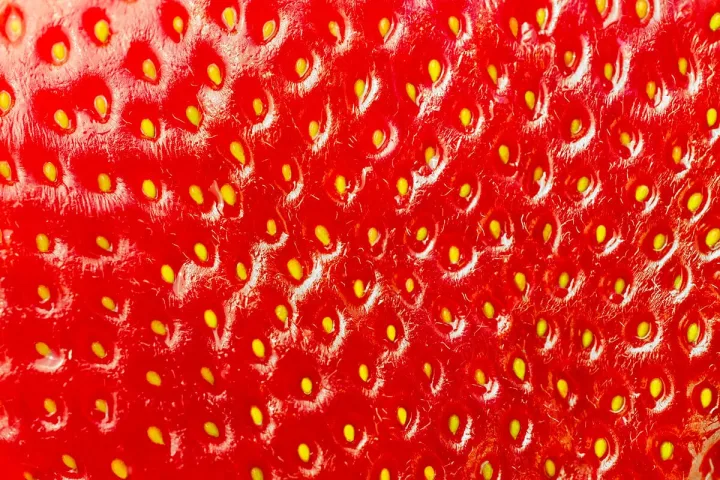
Every strawberry is speckled with what looks like seeds on the outside — odd for a fruit, which usually tucks its seeds safely inside. Odder still: those aren’t seeds. Each tiny dot is an achene, a complete fruit in its own right, with the actual seed tucked inside it. One average strawberry carries around 200 achenes. One bite and you’ve eaten hundreds of individual fruits.
The red flesh underneath? Not the fruit. It’s the receptacle — the structural base that holds everything together and makes the whole package worth eating. You’re mostly eating scaffolding. The achenes are where the real nutritional payload lives, dense with antioxidants.
What Berries Do to Your Brain
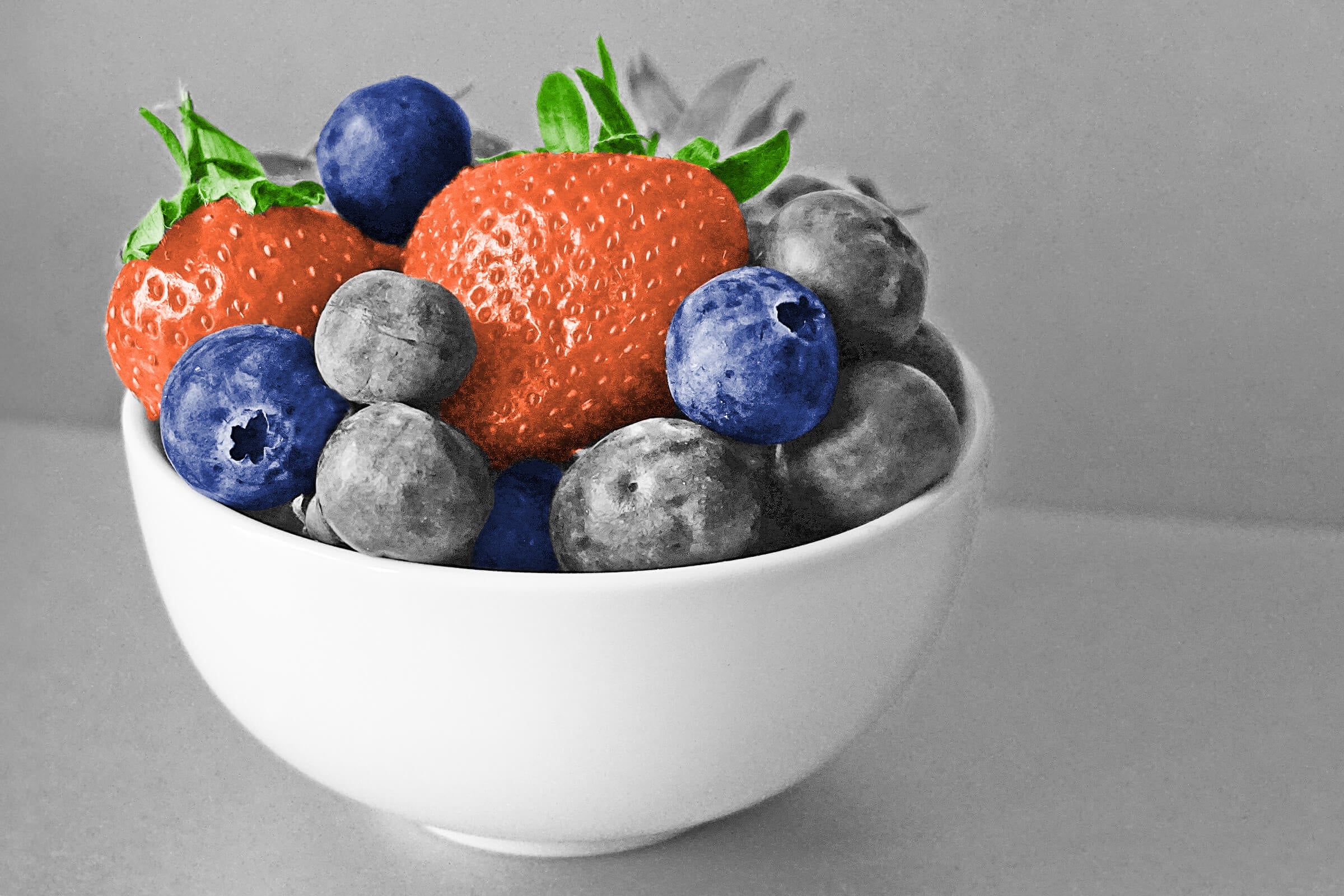
Regular berry consumption isn’t just good marketing. Studies show that blueberries and strawberries can activate autophagy — a cellular housekeeping process where the brain clears out toxic protein buildup linked to age-related memory loss. The brain takes out its own trash. Berries help trigger the mechanism.
One study found that both blueberries and strawberries improved cognitive function and reduced behavioral abnormalities in test subjects. The operating theory involves oxidative stress: an imbalance between damaging molecules and the antioxidants that neutralize them. Berries load you up on the latter. That’s not a small thing.
Cranberries Were Medicine Before They Were Sauce
Long before cranberry sauce became a Thanksgiving obligation, Native American tribes had been using cranberries for centuries. The berries were ground into paste and applied to wounds, used to treat fevers, purify blood, and ease stomach problems. They were also mashed with meat and fat into pemmican — a calorie-dense food designed for long journeys and hard winters.
Early American settlers ate cranberries to stave off scurvy. They didn’t know about vitamin C. Their working theory was that the sourness drew disease-causing salt from the body. Wrong reasoning, right result. Modern research has since confirmed cranberries’ role in urinary tract health, vindicating the instinct even if the explanation was nonsense.
The Hairs on a Raspberry Earn Their Keep
Those fine hairs on a raspberry aren’t a texture quirk. They’re functional. Two different types, actually. The soft, fuzzy coating is made of trichomes — microscopic structures most land plants grow as a defense against insects, UV exposure, and moisture loss. Standard plant armor.
The coarser, dried-looking strands are styles, part of the raspberry’s reproductive anatomy. Styles catch pollen. They’re essential to fruit formation. Once the berry ripens, the styles dry out and stay attached, giving raspberries and blackberries that distinctive bristly surface. What looks like leftover fuzz is actually the remnant of how the fruit came to exist in the first place.