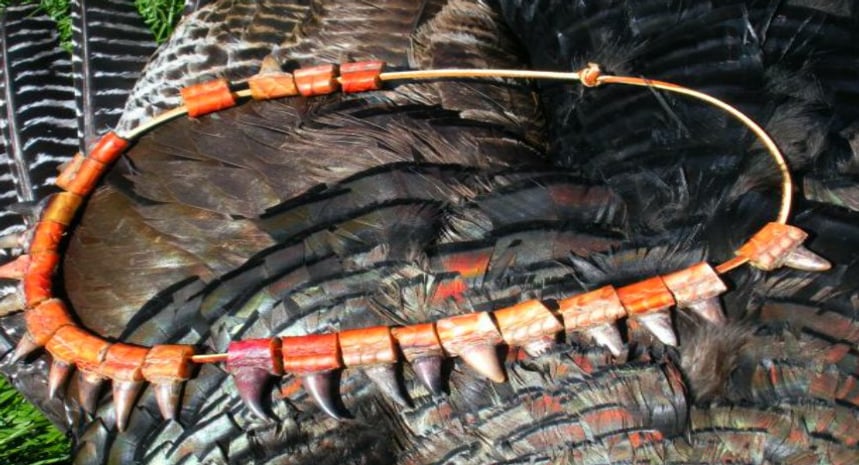
Why Spur Length Matters to Hunters
In turkey hunting circles, spur length is one of three measurements used to score a bird alongside beard length and body weight. The National Wild Turkey Federation scoring system assigns points based on these combined measurements, and spurs carry significant weight in the final tally. A gobbler with long, well-curved spurs is considered a genuinely old bird — one that has survived multiple hunting seasons, avoided predators, and outlasted competitors. That kind of longevity is worth remembering. When hunters ignore the spurs at cleaning time, they are discarding the clearest physical record of how long and hard a particular bird lived. Keeping them is not just a craft project. It is a more complete way of honoring the animal.
The Tools You Need for Removal
Removing turkey spurs does not require specialized equipment. Most hunters already have everything they need in a basic processing kit. A sharp knife is the primary tool — a fillet knife or a sturdy hunting blade both work well. Some hunters prefer a small hacksaw or bone saw for cleaner cuts, particularly when they want to preserve a longer section of leg bone above the spur. A pair of heavy gloves is worth wearing, since the spur itself is quite sharp and the leg bones can splinter during cutting. Beyond that, a flat surface and a bit of patience are all that stands between a discarded turkey leg and a finished keepsake. No boiling, no chemicals, and no advanced taxidermy knowledge required for the basic removal process.
How the Removal Process Works
The actual cutting is straightforward. Once the turkey has been harvested and the legs are accessible, locate the spur on the lower portion of the leg. The goal is to cut a section of the leg bone that includes the spur, leaving enough bone on either side to give the piece structural integrity. Most hunters cut about an inch or two of bone above the spur and a shorter section below it, creating a tube-like piece of bone with the spur extending from the side. The cut angle matters — a straight perpendicular cut produces a wider, flatter piece, while angled cuts create a narrower profile. Experimenting with cut placement on both legs of the same bird lets you match or contrast the pieces depending on what you plan to do with them.