The World’s Rarest Porpoise
Picture a small, shy gray animal about the size of a beagle, slipping beneath the surface of the Gulf of California the moment it hears a boat. That’s the vaquita. The name means “little cow” in Spanish, a nod to the dark rings around its eyes and mouth that look remarkably like the markings on a Holstein. Scientists only identified the species in 1958. By the 1990s, around 600 were still alive.
Today, roughly 10 remain. The vaquita’s collapse is almost entirely the result of one thing: gillnets. Fishermen set them for totoaba fish, and the small porpoise gets tangled and drowns. It’s accidental, but it’s been catastrophic. Since 2018, conservation groups have pushed hard to reduce the nets. In 2025, researchers spotted infant vaquitas surviving past age two, which hadn’t happened reliably in years. It’s a thin thread of hope. But it’s real.

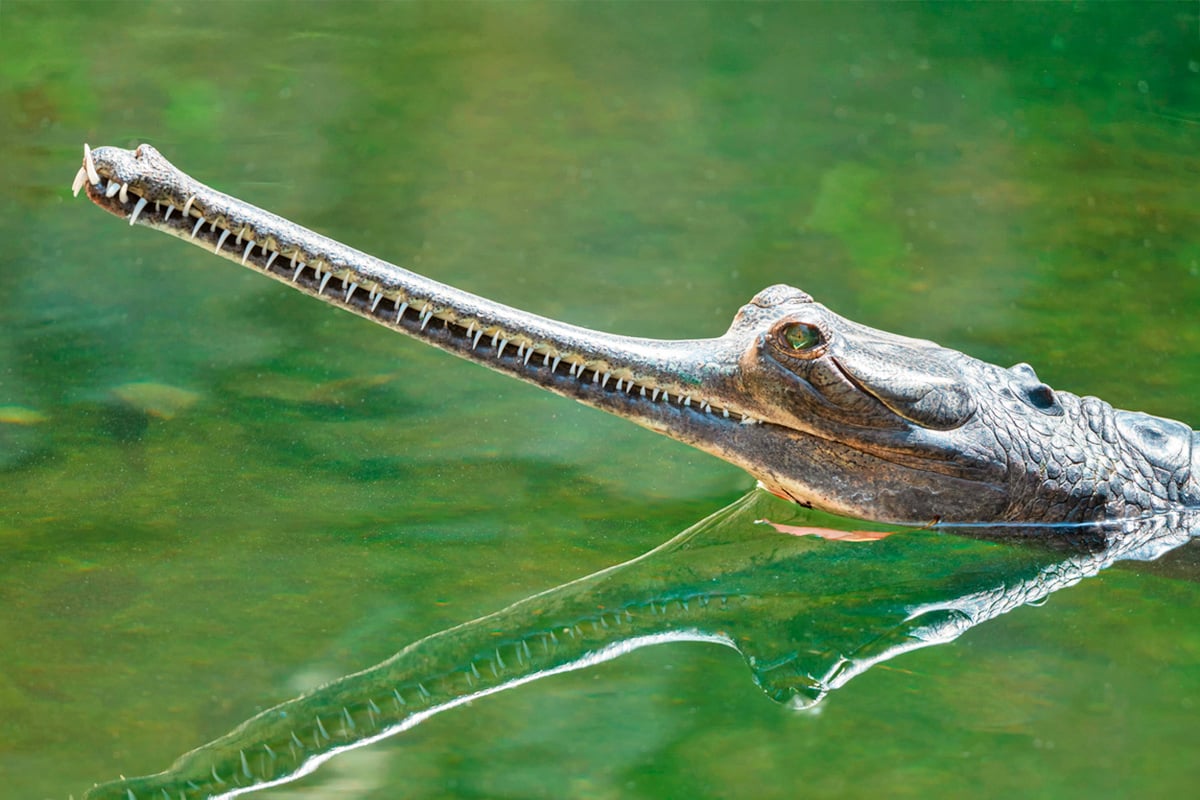
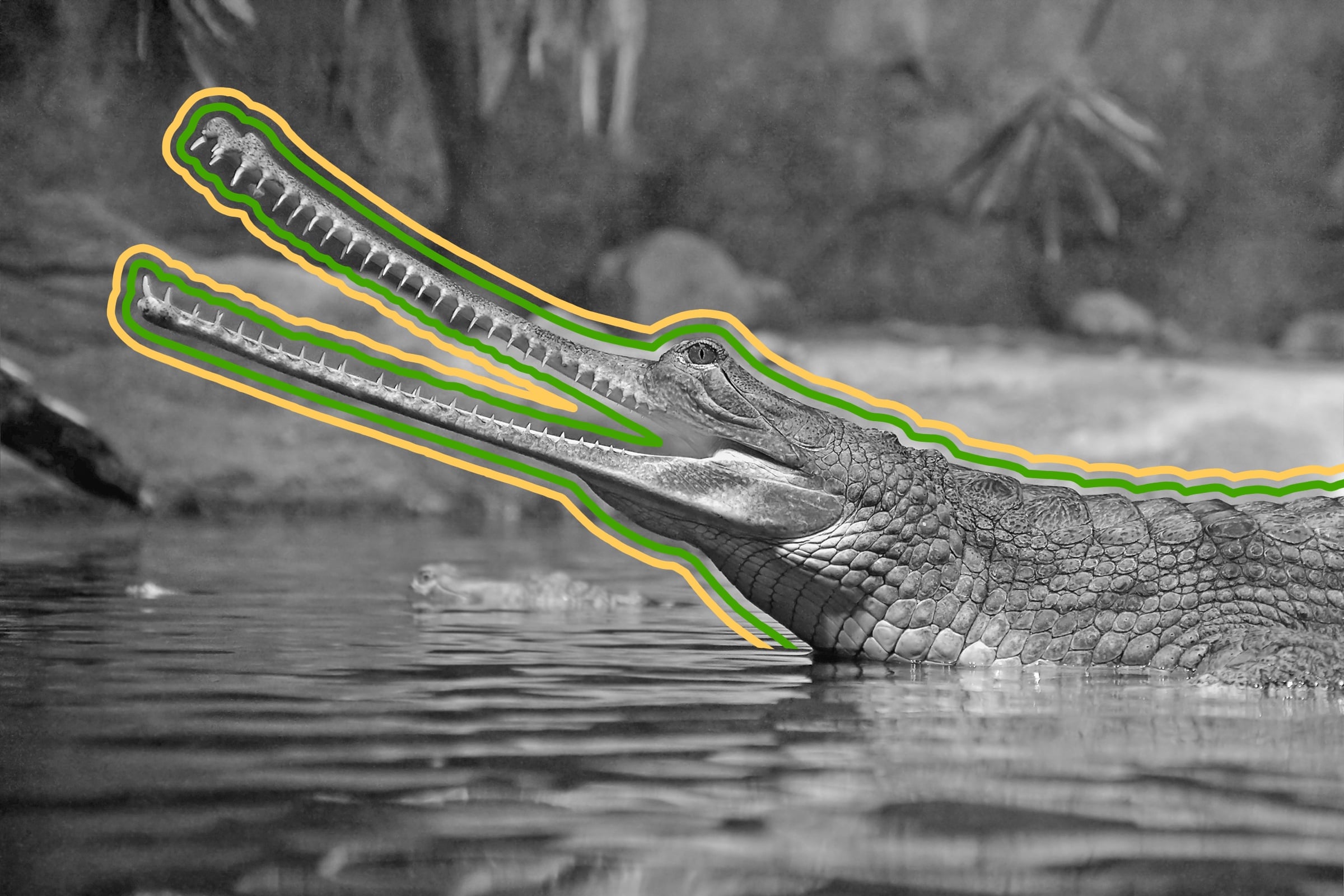
The Ancient Reptile With a Hundred Teeth
The gharial looks like a crocodile that never got the memo about evolving. Its snout is impossibly long and narrow, lined with around 100 interlocking teeth that are perfect for catching fish and useless for anything else. Adult males grow up to 20 feet long and develop a bulbous knob at the tip of their snout, which amplifies their mating calls into a strange, resonant buzzing pop.
It once swam through rivers across South Asia, from Bangladesh to Pakistan. Now it clings to pockets of northern India and Nepal. Rising water temperatures, dam construction, and river pollution have shredded its habitat. Captive breeding and reintroduction programs have helped stabilize some populations, but the species is still critically endangered, squeezed by a changing climate and a century of disruption.