The Myth That Just Won’t Die
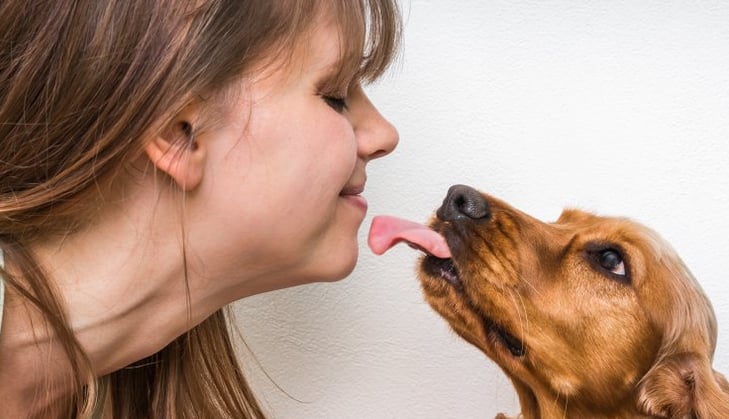
Ask almost anyone whether a dog’s mouth is cleaner than a human’s and you’ll get a confident yes. It’s one of those facts that gets passed around at dinner tables and dog parks with the certainty of settled science. People let their dogs lick their faces, their wounds, their children’s hands — because everyone knows dogs have clean mouths. The problem is that this widely held belief is wrong, and the gap between the myth and the reality is wide enough to be genuinely surprising. Understanding what actually lives inside your dog’s mouth doesn’t mean you have to stop loving your pet. It just means you’ll have a much clearer picture of what you’re actually dealing with.
What the Numbers Actually Show
According to the American Kennel Club, a dog’s mouth contains more than 600 distinct types of bacteria. That number is striking on its own, but it becomes even more interesting when you put it next to the human figure: researchers have identified approximately 615 types of bacteria in the average human mouth. In other words, dogs and humans are essentially tied when it comes to oral bacterial diversity. The mouths are different ecosystems — the specific species don’t overlap much — but the sheer quantity of microbial life is roughly equivalent. The idea that dogs have some biologically superior, self-sanitizing mouth simply doesn’t hold up against the data.