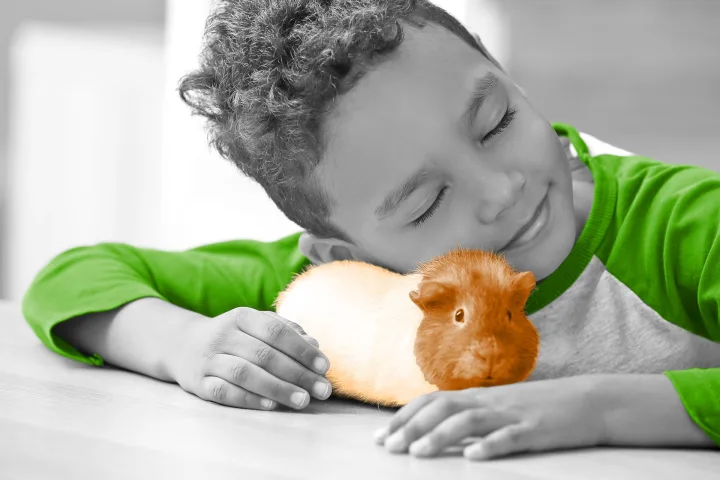
One Loves Company, The Other Hates It
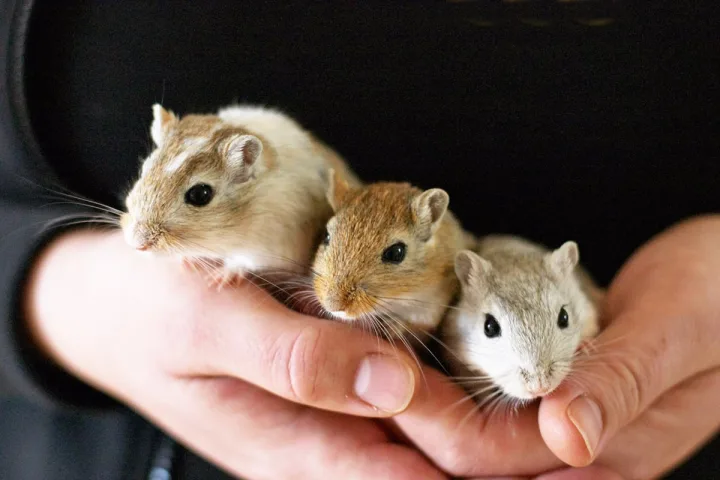
Gerbils are pack animals. In the wild, they run in groups of two to fifteen. Keep one alone and it grows stressed, quiet, and dull. The standard recommendation is same-sex pairs introduced while both animals are still young enough to bond before territorial instincts kick in. Two gerbils grooming each other in a corner is one of the more low-key wholesome things in the pet world.
Hamsters are the opposite. Completely. A hamster sees a cage-mate as a rival, not a roommate. They’re solitary by design, wired to defend territory aggressively, and will fight given half a chance. The impulse to buy two and watch them be friends is understandable and almost always wrong. A hamster alone in a well-enriched cage is a happy hamster. A hamster with company is usually a hamster on edge.
The Skeleton That Folds Itself
A mouse can fit through a hole the diameter of a standard No. 2 pencil — roughly a quarter of an inch. This sounds impossible until you understand the engineering. A mouse’s skull is its widest point, and it’s long and narrow rather than round. If the head clears, the rest follows.
The rest of the skeleton cooperates. Mice have sloping clavicles that don’t block lateral movement, and their ribcages compress inward on demand. Rats have the same trick and can squeeze into a hole the size of a quarter. Almost nothing is truly sealed to them.
The Teeth That Never Stop
Rats have two sets of teeth. The molars in the back stop growing once fully formed. The four incisors at the front are different: two on top, two on the bottom, growing continuously for life. Let them get too long and the rat can’t eat properly. Complications follow fast.
Rat owners manage this with chew toys and a diet that keeps those incisors worn down. You might also notice your rat bruxing: softly grinding its front teeth together in a self-maintenance ritual. During intense sessions, the jaw muscle presses against the eyeball hard enough to make it bulge and vibrate. It’s called eye-boggling. It looks alarming. It means the rat is happy.