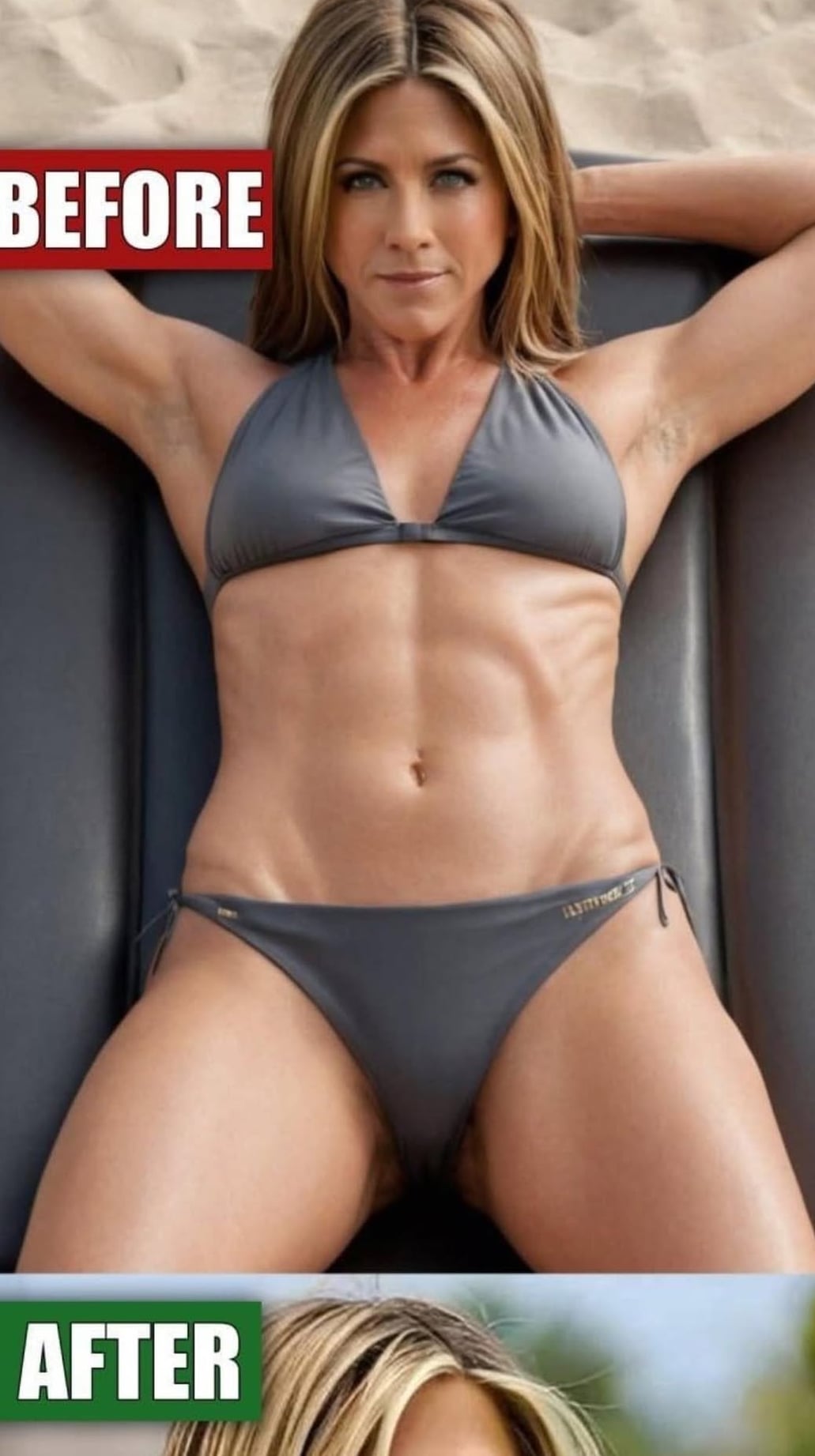
The photos didn’t go viral because of the weight. They went viral because of the eyes. Something happened when women started posting their before-and-afters — not the kind where they show off smaller jeans or a flatter stomach, but the reverse. The “after” photo showed more. More weight, more color in the cheeks, more light behind the gaze. Strangers couldn’t scroll past. They stopped and stared and eventually typed: How?
It started with a handful of women bold enough to post side-by-sides that didn’t follow the script. On one side: a photo from the years of restriction — lean arms, a smile that didn’t quite reach. On the other: a version of themselves they’d fought hard to become. Softer, yes. But the real difference wasn’t the number on the scale. It was the posture. The grin. The way they looked like they’d finally exhaled after years of holding their breath.
Critics showed up fast. “Why are you celebrating gaining weight?” The question came loaded with the usual contempt — the assumption that smaller is always better, that progress only moves in one direction. But these women weren’t asking for permission. And the comments section became something rare on the internet: honest.
“I didn’t gain weight — I gained my life back.”
Doctors started weighing in, and not in the way the critics expected. Weight gain, they explained, can signal recovery. From years of under-eating. From the kind of chronic stress that keeps cortisol spiking and metabolism crawling. From hormonal disorders that had gone undiagnosed for years. For many of these women, the “before” photo wasn’t a peak. It was a warning sign. Fragile, not fit. Running on empty, not thriving.
What these photos captured wasn’t vanity. It was reclamation. Food eaten without guilt. A body that could sleep through the night and show up for the people it loved. The curves that appeared weren’t evidence of laziness — they were proof of a body finally getting what it needed. That distinction matters. A lot of women had spent years mistaking deprivation for discipline.
The conversation online shifted in ways that genuinely surprised people. The question “How do I lose weight?” started sharing space with a different one: “How do I feel like her?” That’s not a small thing. For decades, the default mode of women’s wellness content was subtraction — fewer calories, smaller portions, thinner thighs. These photos introduced a different math. One built on restoration instead of reduction.
The message these women sent wasn’t complicated. You don’t have to be the smallest version of yourself to be worth looking at. You don’t have to earn your body back by punishing it first. Strength isn’t always visible. Sometimes it looks like a woman who decided, somewhere between the before and the after, that she was done shrinking — and meant it.