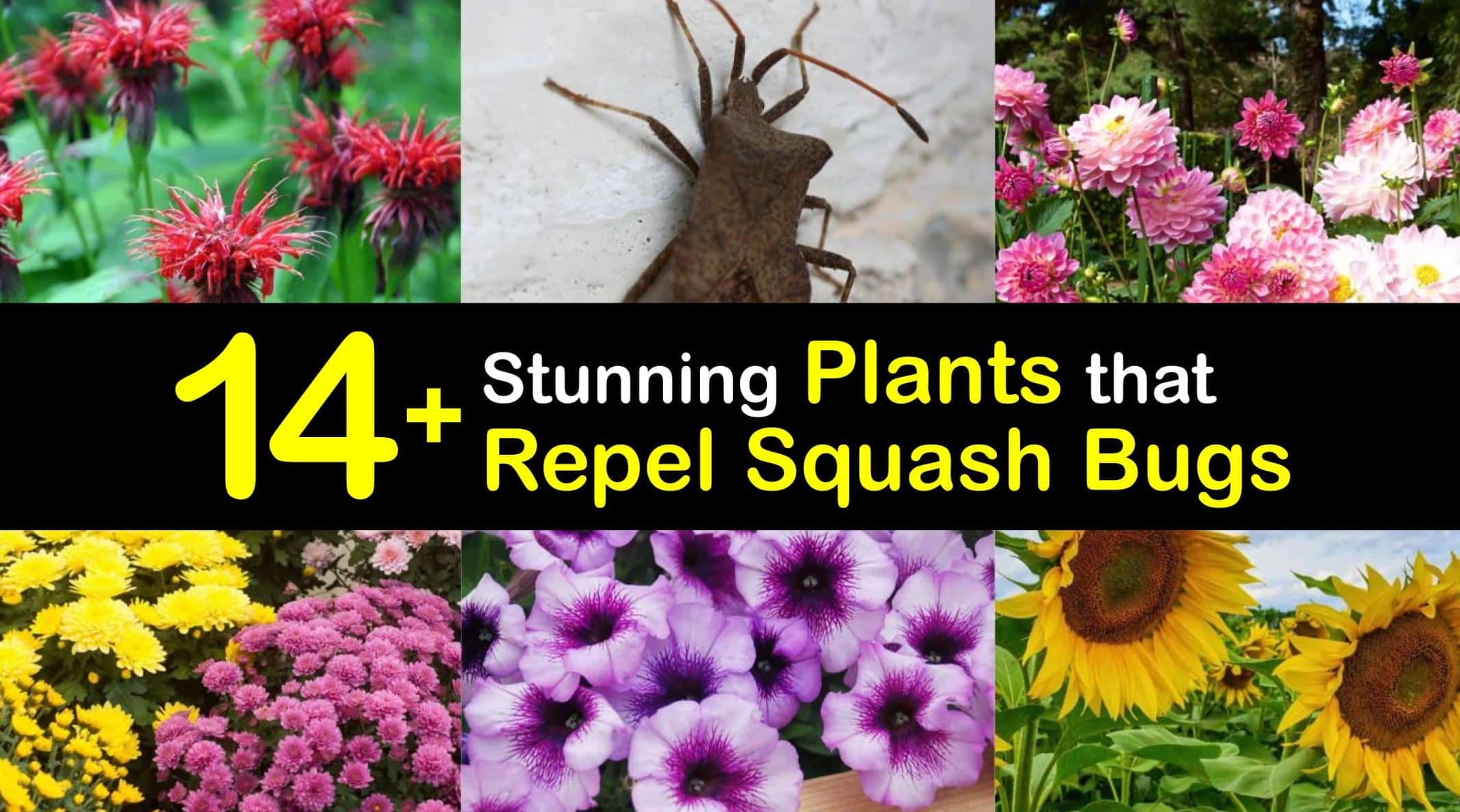
Chrysanthemums Produce a Natural Insecticide
Chrysanthemums are one of the few ornamental plants that generate an actual chemical pesticide. The compound is called pyrethrum, and it works similarly to neem oil, controlling a broad spectrum of insects including fleas, ants, silverfish, Japanese beetles, ticks, and squash beetles. Pyrethrum is a naturally occurring substance derived from the flowers themselves, which makes chrysanthemums a low-chemical alternative to synthetic pest sprays. These herbaceous perennials grow 2 to 3 feet tall in full sun with rich, moist soil and are hardy in USDA zones 3 through 9. Their flowers range from white and yellow to red and purple, making them a visually striking addition to any fall garden. One important caveat: chrysanthemums are toxic to pets, so placement should account for any cats or dogs that have access to the garden.
Borage and Hyssop Round Out the Defense
Borage is an annual herb native to the Mediterranean, producing vivid blue, star-shaped flowers that bloom through summer. It is a strong companion for squash, tomatoes, and strawberries, attracting beneficial honey bees and parasitic wasps while deterring tomato hornworms, cabbage worms, and squash bugs. It grows 1 to 3 feet tall in full sun or part shade and tolerates well-drained soil of almost any composition. The stems and leaves are covered in a prickly fuzz that itself acts as a physical deterrent for some crawling pests. Hyssop offers similar benefits through a different mechanism. This creeping, mat-forming perennial produces small white, purple, or pink flowers from late spring through early fall and is known for drawing bees while repelling flea beetles, cabbage moths, and squash bugs. It is highly adaptable to difficult growing conditions and spreads to 1 to 4 feet wide.
The Plants Worth Using With Caution
Two companion plants stand out for their effectiveness but require careful handling. Mugwort releases an aromatic scent that squash bugs cannot tolerate, but it spreads aggressively and can take over garden beds if not contained. It reaches up to 6 feet tall and is a perennial in zones 3 through 8. Growing it in a buried container or raised bed with barriers can limit its spread. Four O’Clocks are a similarly potent option — their toxicity to insects, people, and animals makes them effective deterrents for squash vine borers, cabbage loopers, and squash bug nymphs. The two-inch trumpet-shaped blooms open around four in the afternoon and come in shades of pink and red. They are perennial in zones 9 through 11. Both plants work well when positioned thoughtfully, but neither should be planted carelessly in a garden where children or pets are present.
Building a Complete Companion Planting Strategy
The most effective approach to squash bug prevention uses multiple companion plants working together rather than relying on any single species. A practical setup might include a dense marigold border around the perimeter of the squash bed, basil or chives planted between individual squash hills, and a few sunflowers or bee balm plants placed nearby to recruit beneficial predators. Lavender or catnip can fill in gaps and extend scent coverage. Chrysanthemums planted on the outer edge add a chemical deterrent layer for the fall. The goal is to create overlapping zones of protection — some plants repelling bugs by smell, others drawing in natural predators, and a few acting as trap crops to pull pests away from the squash entirely. This layered system reduces pest pressure without disrupting the beneficial insect populations that healthy gardens depend on throughout the growing season.