Einstein’s Birthday and a Haunting Coincidence
Princeton, New Jersey has always had a soft spot for Albert Einstein, who lived and worked there for the last two decades of his life. He was born on March 14, 1879. The town leans into this hard — Pi Day there includes walking tours of Einstein’s old haunts, pie-eating contests, recitation competitions, and an Einstein look-alike contest that is exactly as wonderful as it sounds.
Then there’s the coincidence nobody planned: Stephen Hawking died on March 14, 2018. Two of the most consequential physicists of the modern era, sharing the same calendar date across birth and death. Science doesn’t deal in omens. But some dates accumulate weight anyway.

Why Pizza Chains Are Deeply Invested in Irrational Numbers
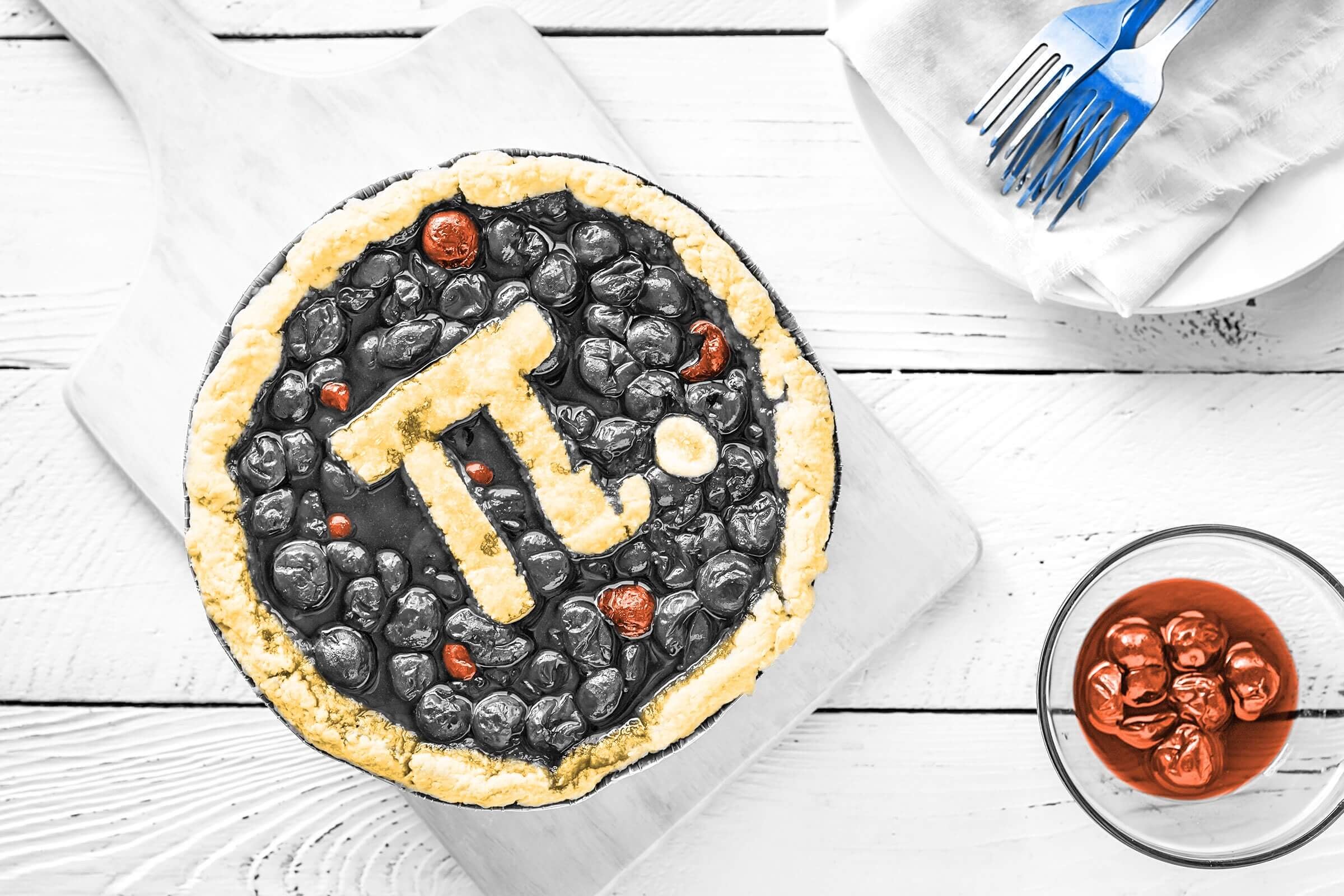
Pi has nothing to do with the pie you eat — except that pies are round, and circles are where pi lives, so the pun writes itself. Restaurants figured this out early. Every March 14, deals appear: whole pizzas for $3.14, discounted slices, cake specials. Brands including 7-Eleven, CiCi’s Pizza, and Honey Baked Ham have all run Pi Day promotions at various points.
It’s a genuinely effective hook. A number that goes on forever somehow generates annual foot traffic. Shaw probably didn’t see that coming in 1988, slicing fruit pie in San Francisco.
The Day Congress Got Briefly Mathematical
By 2009, Pi Day had spread far enough that the U.S. House of Representatives passed a non-binding resolution on March 12 supporting its official recognition. The measure had backing from the Association for Competitive Technology and the American Chemical Society — organizations that framed it as a way to nudge students toward math and science.
UNESCO later designated March 14 as the International Day of Mathematics, giving the holiday genuine global standing. A number discovered by ancient Babylonians now has a United Nations observance. That’s a long arc.
More Pi Days Than the Calendar Admits
March 14 gets the headlines, but pi celebrations have colonized other dates too. July 22 — written as 22/7 in the day/month format — honors pi’s most famous approximation, the fraction 22 over 7. Some people mark November 10 instead: it’s the 314th day of a non-leap year.
June 28 belongs to tau, defined as the ratio of a circle’s circumference to its radius — twice the value of pi, approximately 6.28. Tau Day advocates argue their constant is more elegant. Pi loyalists disagree. The debate has been going on for years and will continue indefinitely, which feels appropriate for a number that never ends.