Pasteurella Multocida and the Meningitis Connection
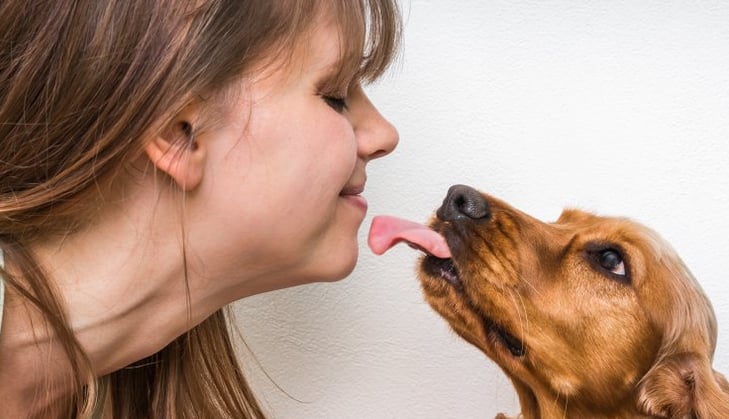
Capnocytophaga is not the only concerning bacterium in a dog’s oral ecosystem. Dogs commonly carry Pasteurella multocida, a pathogen that can infect humans and has been linked in some cases to meningitis, the potentially fatal inflammation of the membranes surrounding the brain and spinal cord. This transmission risk is not merely theoretical — it has been documented in medical literature. Dog bites are the more common vector, but licks to open wounds or mucous membranes can also create exposure. Research estimates that between 10 and 15 percent of dog bites lead to some form of bacterial infection, a figure that underscores how efficiently canine oral bacteria can establish themselves in human tissue.
Cats Are Part of This Conversation Too
Dogs tend to get most of the attention in discussions about pet-transmitted bacteria, but cats belong in the same conversation. Healthy cats also carry Capnocytophaga canimorsus, and the infection risk from cat contact follows similar patterns to that of dogs. Cat bite infection rates are notably higher than dog bites — roughly half of cat bites result in infection, compared to the 10 to 15 percent figure for dog bites. Cat teeth are narrow and sharp, creating deep puncture wounds that are harder to clean and more likely to trap bacteria below the skin’s surface. If anything, the case for taking feline oral bacteria seriously is even more straightforward than the canine one.
What This Means for Everyday Dog Owners
None of this is an argument against owning dogs or allowing normal affectionate contact. The overwhelming majority of dog licks result in nothing more than a wet face. The bacterial load in a dog’s mouth, while substantial, is mostly composed of species that do not infect humans. The dangerous pathogens are present, but exposure alone is not the same as infection, and infection — particularly the severe kind — remains genuinely uncommon. The practical takeaway is straightforward: keep open wounds away from dog mouths, be more cautious if you are immunocompromised, and treat dog bites with appropriate medical attention rather than dismissing them. The myth of the clean dog mouth is false, but the reality is not cause for alarm — just for accurate information.