Pink Muhly Grass — Fall’s Most Surprising Show
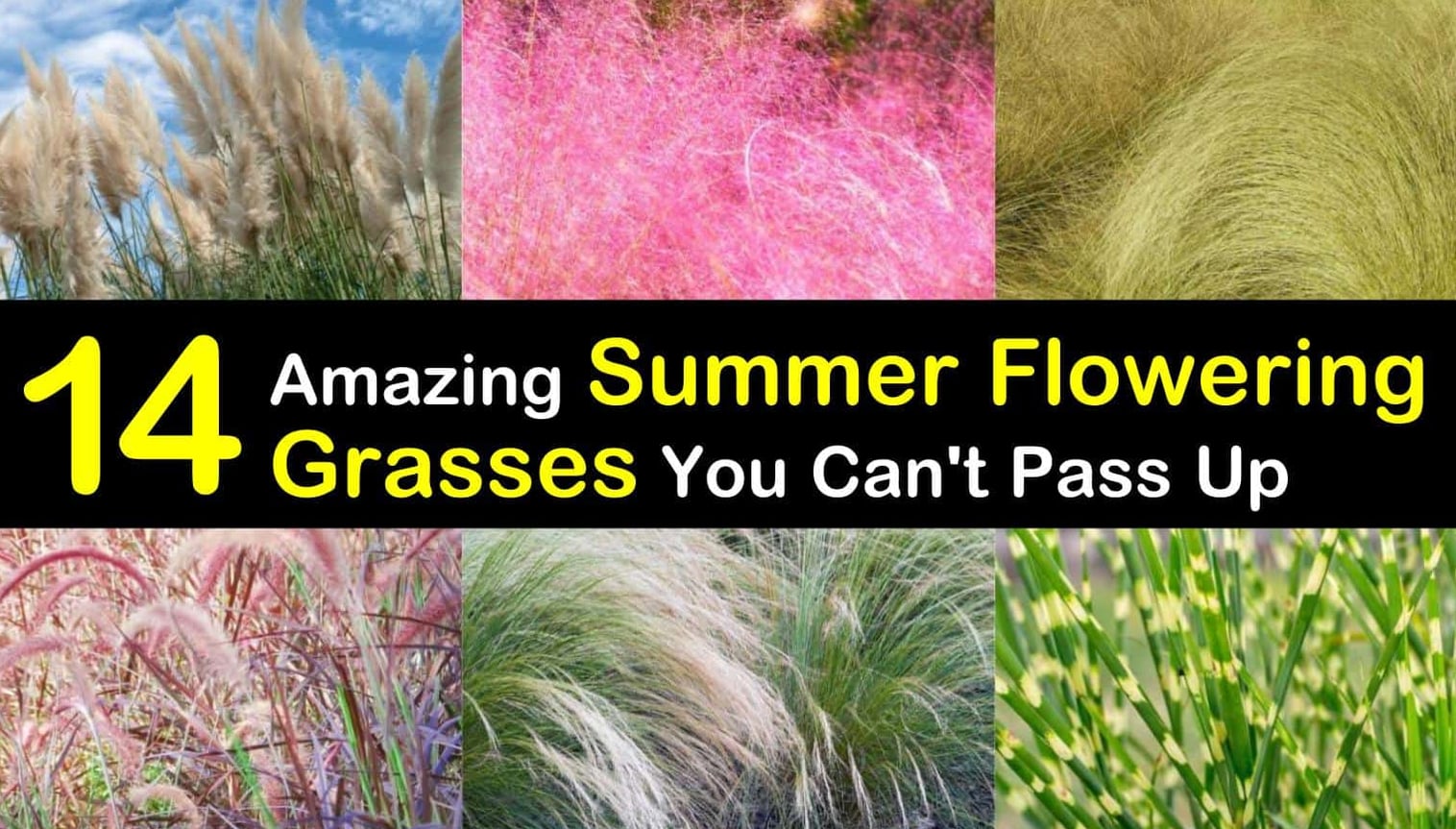
Pink muhly grass spends most of the growing season as an unremarkable clump of dark green, finely textured foliage. Then fall arrives, and it transforms dramatically. The plant erupts into clouds of vibrant pink flower panicles that create a cotton candy-like haze above the base foliage. Few perennials produce a fall display that matches this visual impact, and even fewer do it with so little effort. Pink muhly grass grows 3 feet tall and wide, making it a compact but powerful focal point. It is hardy in zones 6 through 9 and tolerates drought, salt, heat, and high humidity — a rare combination of stress tolerance that makes it viable in a wide range of climates. The open, airy flower heads contrast beautifully with the dense dark foliage below. For gardeners looking to extend visual interest well past summer, this grass provides a compelling reason to keep watching the garden through October.
Switchgrass and Tufted Hair Grass — Tough and Underused
Switchgrass is a warm-season native grass that forms large, impressive clumps with blue-green and purple-burgundy coloring. It blooms pink flowers in mid to late summer and handles some of the harshest growing conditions of any ornamental grass, including drought, poor soil, and deer pressure. Depending on the variety, it grows anywhere from 1 to 8 feet tall with a spread of 2 to 3 feet, making it one of the most size-versatile options available. Tufted hair grass fills a different niche: it is one of the few ornamental grasses that performs well in moderately shady locations, making it a practical alternative to Japanese forest grass in cooler climates. This semi-evergreen cool-season grass produces feathery panicles of purple, green, and gold flowers through summer. Hardy in zones 4 through 9, it grows 2 to 3 feet tall, resists pests, and requires almost no maintenance beyond the annual spring trim.
How to Keep Ornamental Grasses Healthy Year After Year
Ornamental grasses are among the lowest-maintenance perennials available, but a few practices help them perform consistently. Most types are drought tolerant once established and resist common pests including deer, but they do require well-drained soil — standing water around the roots is the most common cause of poor performance. The standard care routine is simple: let the grass stand through winter, since the dry foliage provides winter interest and protects the crown from hard freezes, then cut it back to a few inches in early spring before new growth appears. If a clump outgrows its space, divide it in early spring by cutting the root mass into sections and replanting in a new location. Avoid dividing in fall or summer, as the transplants need time to establish before heat or cold stress arrives. With this minimal attention, most ornamental grasses thrive reliably for many years without replanting.