The Event That Split DC’s Fanbase in Two
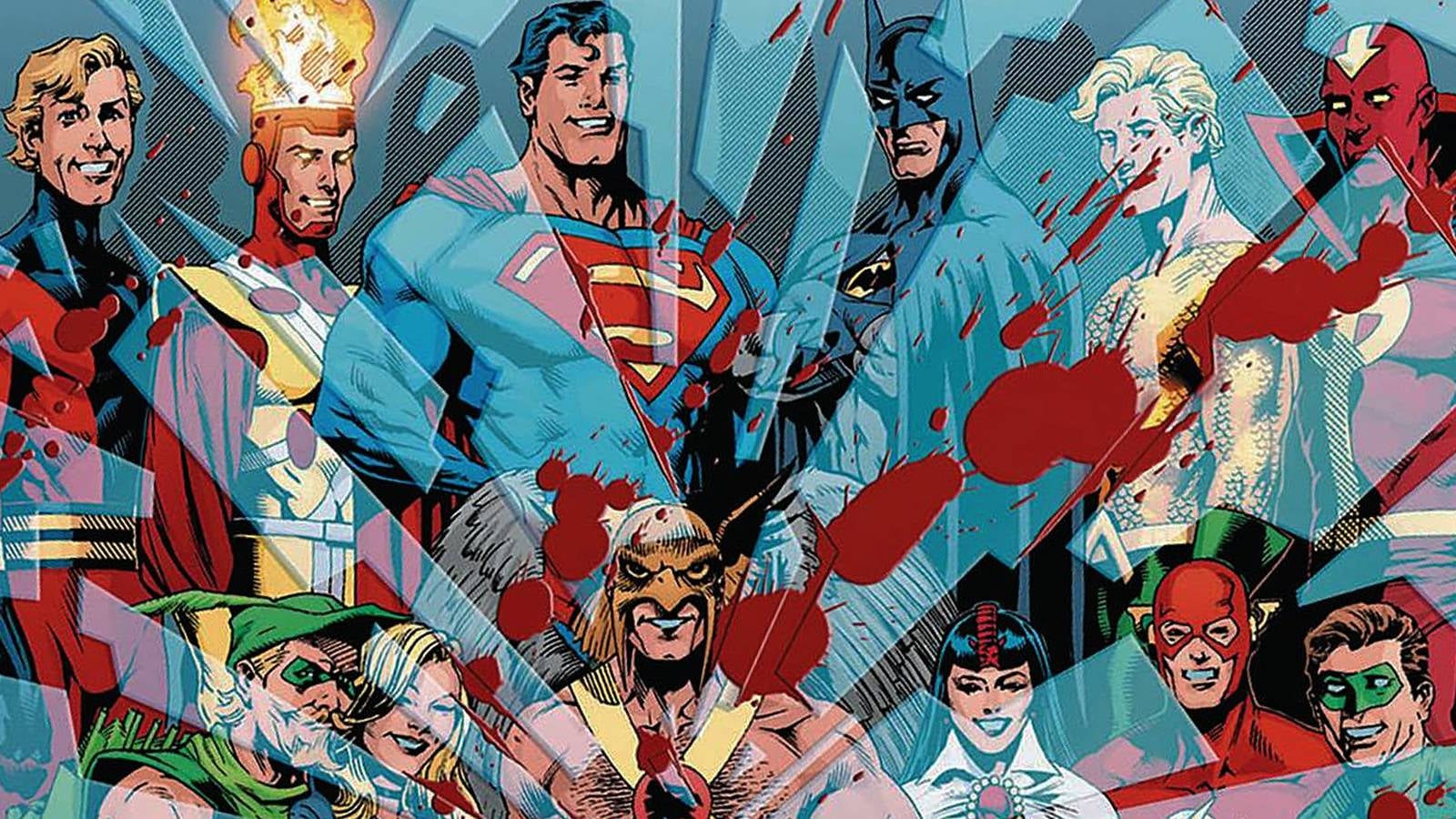
Twenty-two years later, Identity Crisis still starts arguments. The seven-issue DC crossover from 2004 remains one of the publisher’s most hotly contested stories — praised by some for its emotional gutpunch, condemned by others for its gratuitous darkness. Both sides have a point.
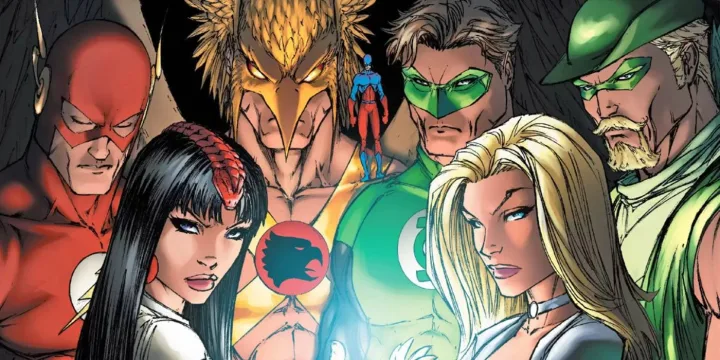
The story opens with a murder. Sue Dibny, wife of the Elongated Man, is killed in her home. What follows is a full DC Universe detective story, the costumed heroes of the Justice League scrambling to find her killer while more loved ones come under threat. It could have been a tight, elegant thriller. It is messier than that, burdened by a flashback involving Doctor Light that mistakes shock for depth. That sequence has, rightfully, aged badly.
Why the Early 2000s Got Weird
The 1990s had a reputation for edginess, but superhero comics of that era still operated within limits. The early 2000s loosened those limits fast. Writers wanted their stories to feel realistic, to strip away the optimism and reveal something grittier underneath. Some of those efforts produced genuine masterpieces. A lot of them produced Identity Crisis.
The impulse wasn’t wrong. Superhero stories needed to grow up in some ways. But grown-up doesn’t have to mean grim, and Identity Crisis occasionally confused the two. Where it worked, it worked because of character, not because of darkness for its own sake.