Book One-Way on Basic Fares — Always
Basic fares can’t be changed. The only move when a price drops is to cancel, collect the fare credit, and rebook at the lower price. That’s manageable for a single flight. For a round trip, it becomes a headache fast.
Cancel a round-trip itinerary because one leg dropped in price and you’ve just voided both legs. If the other flight’s price has gone up in the meantime, you’re rebooking at a higher rate. Book both flights as separate one-way tickets instead and you can rebook the cheap one without touching the leg that’s still priced right.
It’s a small habit shift with real money attached to it.
That Standby Notice at Check-In Is Not What You Think
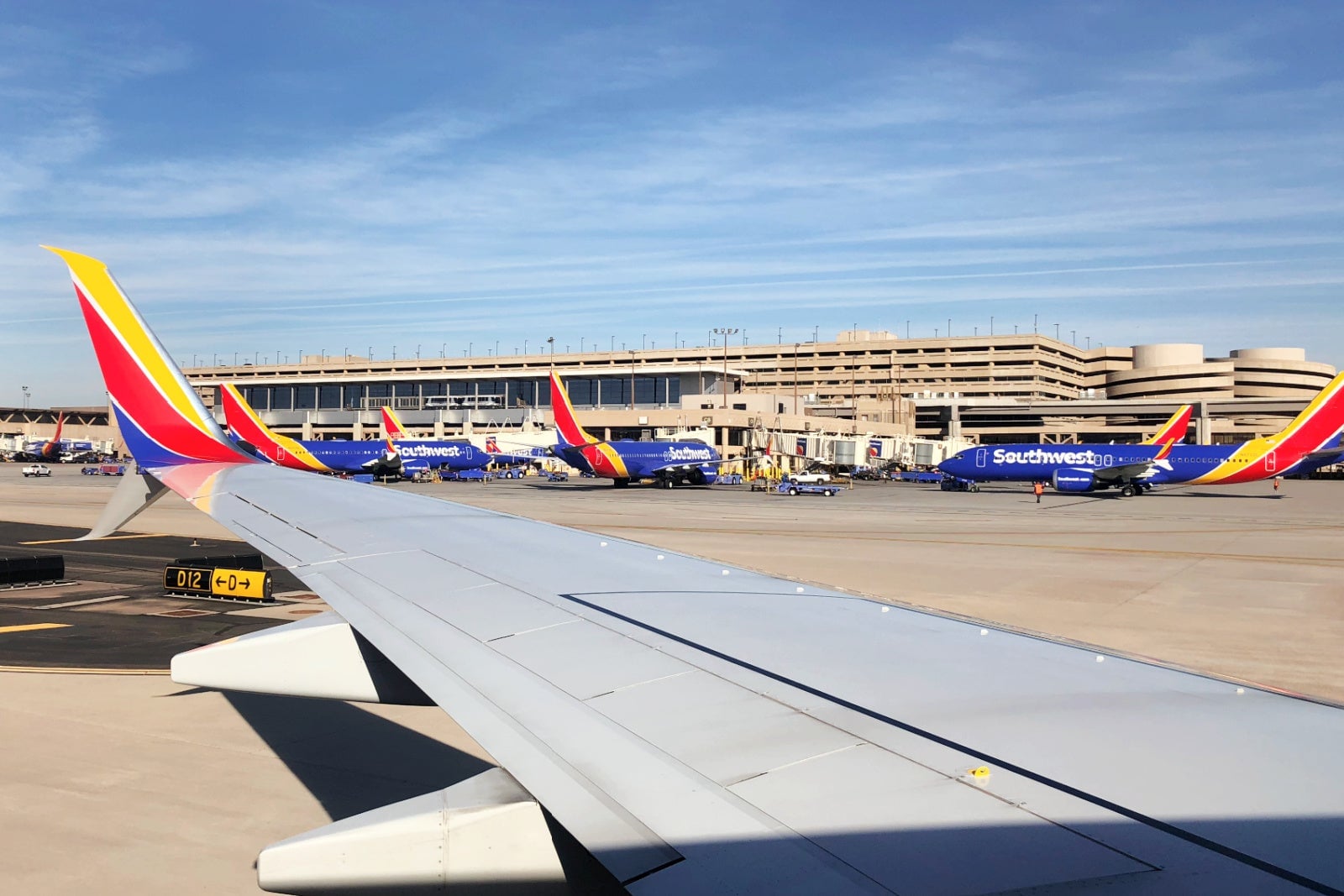
Southwest’s move to assigned seating has produced one widespread panic that turns out to be largely unnecessary. Some Basic fare passengers check in 24 hours before departure and see a standby designation instead of a seat number. Phones are grabbed. Upgrade buttons are clicked. Credit cards come out.
Stop. Southwest doesn’t intentionally overbook flights. A passenger seeing standby status almost certainly has not lost their seat. What’s actually happening is that the airline hasn’t assigned a specific seat yet — gate agents hold some back to handle special circumstances, or the only remaining seats are premium options that Basic passengers don’t ordinarily receive. The seat will come. Equipment changes are the rare exception where real standby situations develop, but those are genuinely uncommon.
The airline changed a lot in a short time. The rules are different. But for travelers willing to learn which lever to pull and when, Southwest still delivers real value — you just have to stop flying it like it’s 2023.